


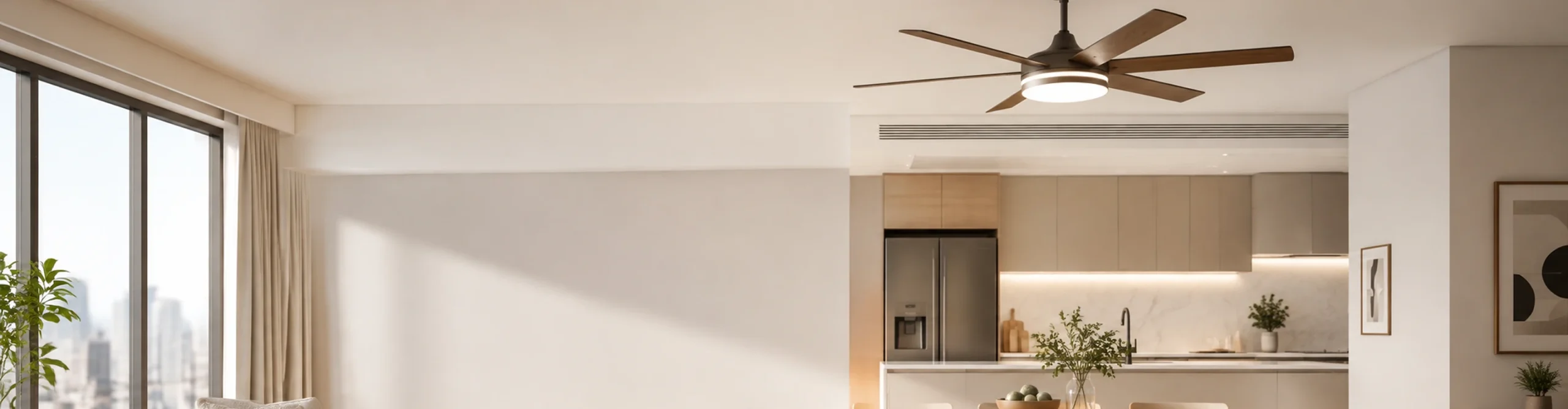
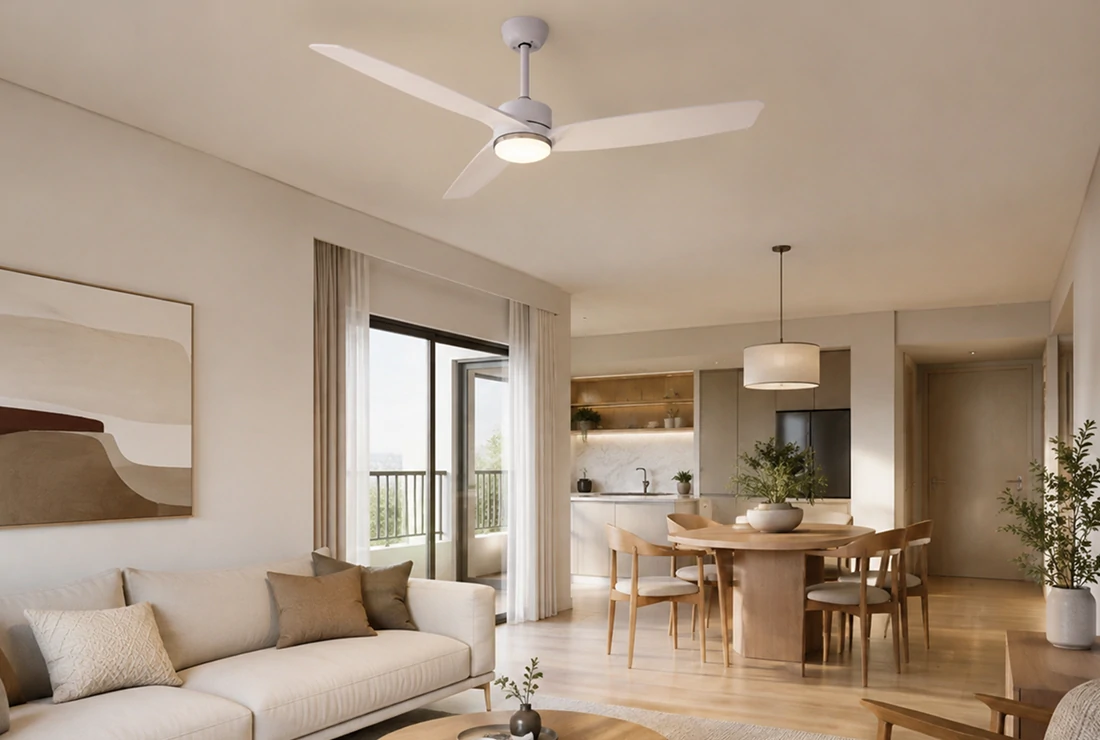
Why Apartment Projects Need Integrated Fan Light Solutions
For apartment brands, importers, and project buyers, a ceiling fixture often needs to serve more than one purpose. Combining air circulation and lighting can help create a more coordinated solution for kitchens, dining areas, bedrooms, and open residential spaces without introducing another separate fixture.
From a sourcing perspective, the product also needs to fit the expectations of different markets, interior styles, installation conditions, and sales channels. An apartment ceiling fan can therefore become part of a broader product strategy rather than a single retail item. OEM and ODM support allows buyers to adjust appearance, control options, lighting configuration, packaging, and other product details around their target market.
Product Structure Designed for Flexible Apartment Applications
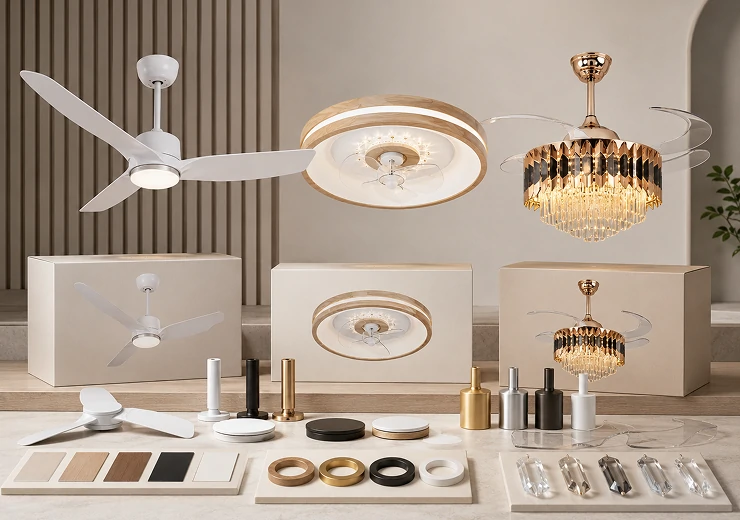
A ceiling fan light can be configured around different installation conditions, room layouts, design preferences, and control requirements. Depending on the confirmed product design, options may include flush-mount or low-profile structures, integrated LED lighting, remote control, reversible airflow, and modern blade designs.
For an OEM or ODM buyer, these elements can be evaluated as part of the complete product architecture rather than selected independently. This approach helps brands develop a consistent ceiling fan for apartment range while adapting the visual design, lighting configuration, controls, and packaging to different market requirements. Final specifications should always be confirmed against the selected product configuration.
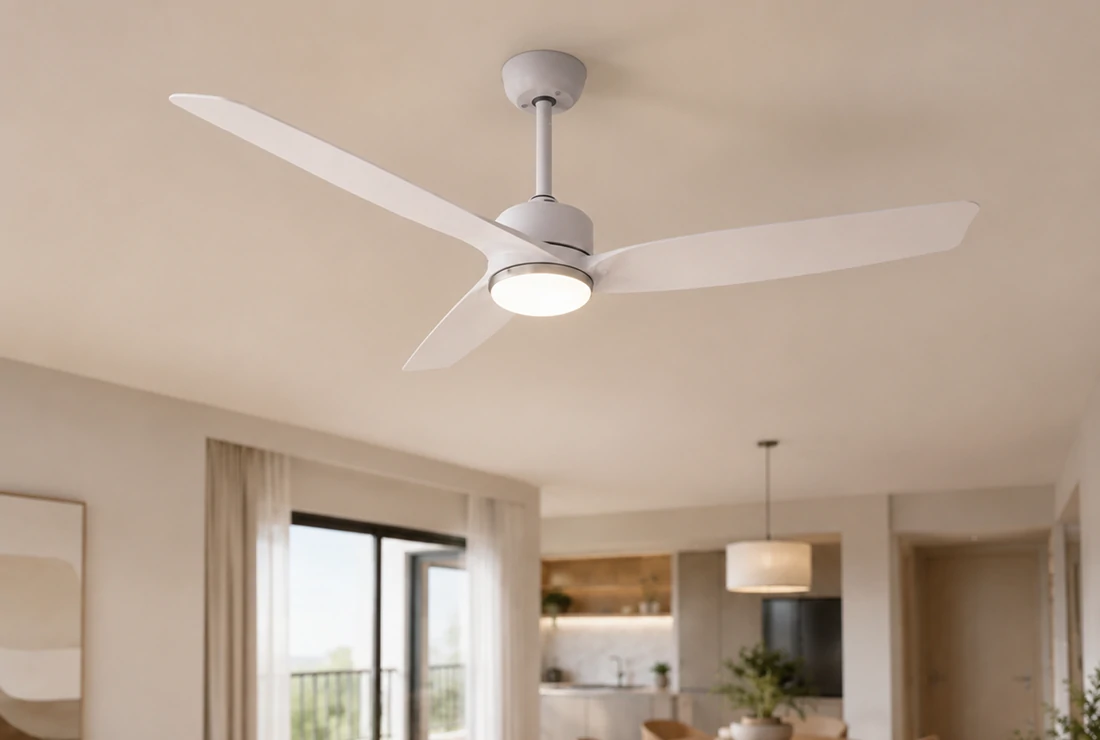
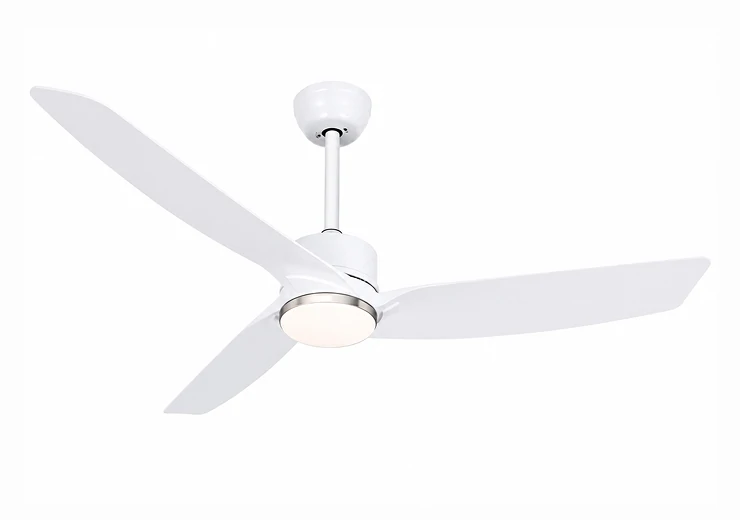
Designed for compact residential layouts where balanced proportions, integrated lighting, and efficient space use matter.
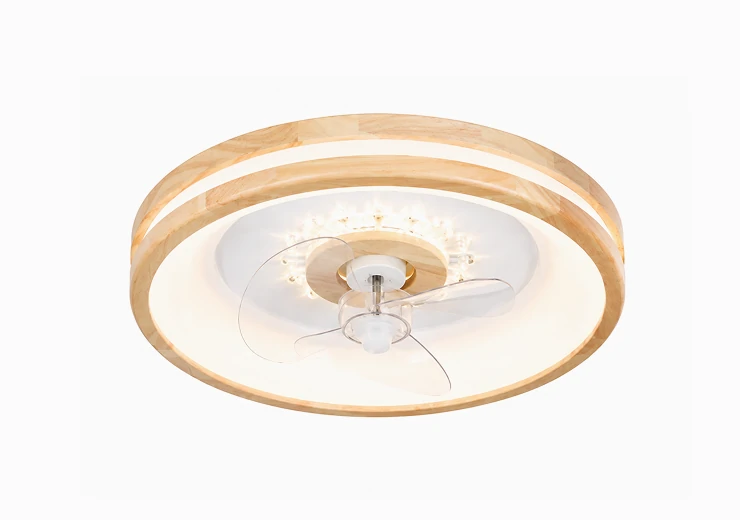
A space-conscious configuration for apartments with limited ceiling clearance and streamlined interior design requirements.
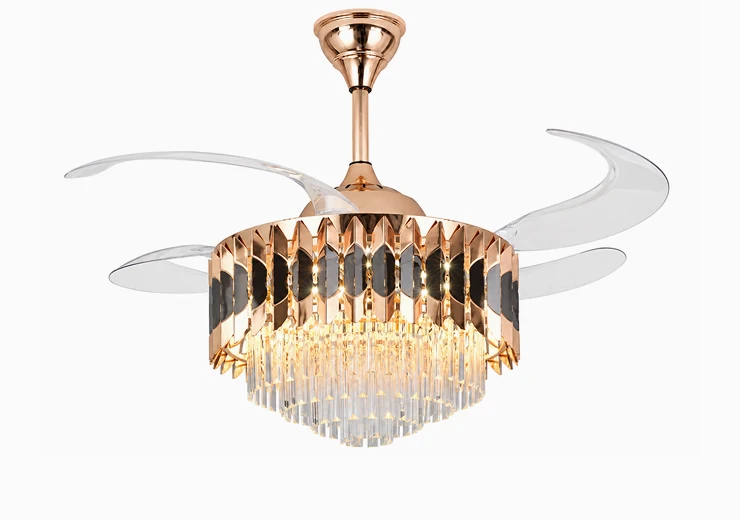
A design-led option for residential brands seeking coordinated fan, lighting, and interior styling.
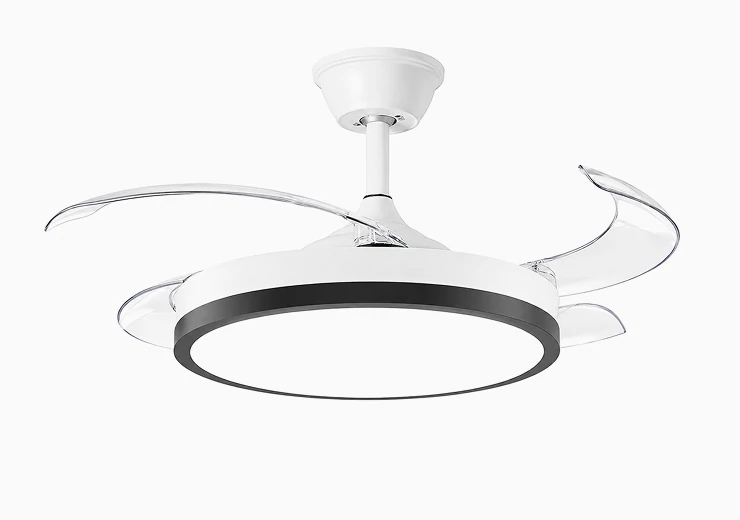
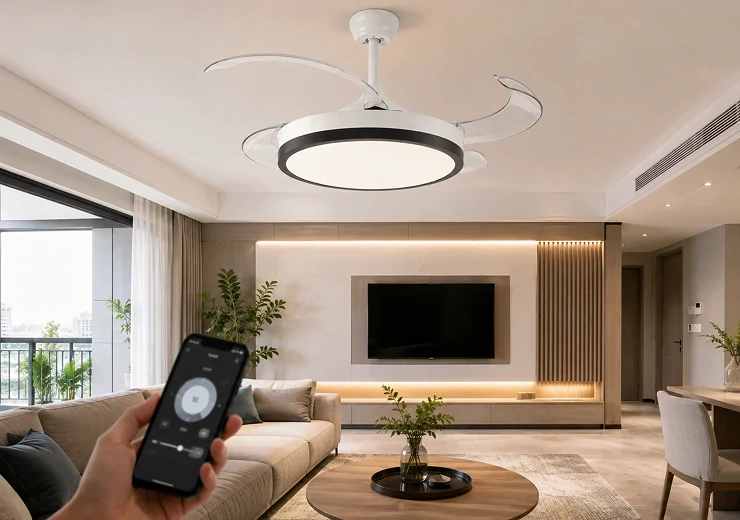
Combines fan and lighting control options for residential brands developing connected home product ranges.
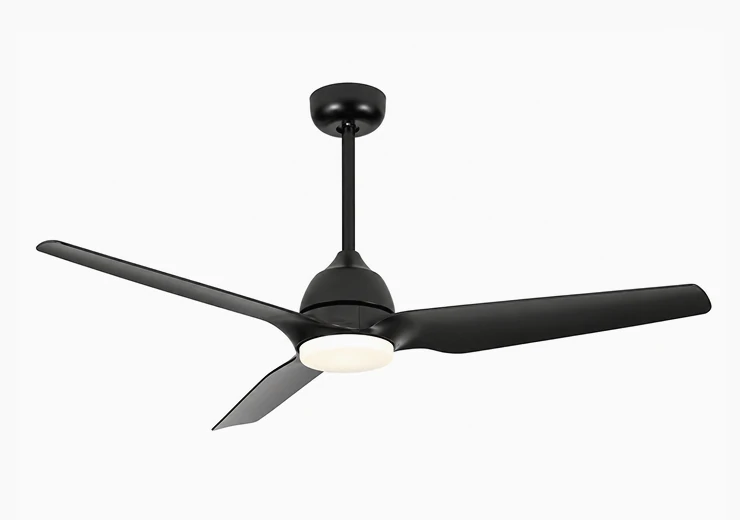
A coordinated product direction for residential projects requiring consistent fan light solutions across multiple rooms.
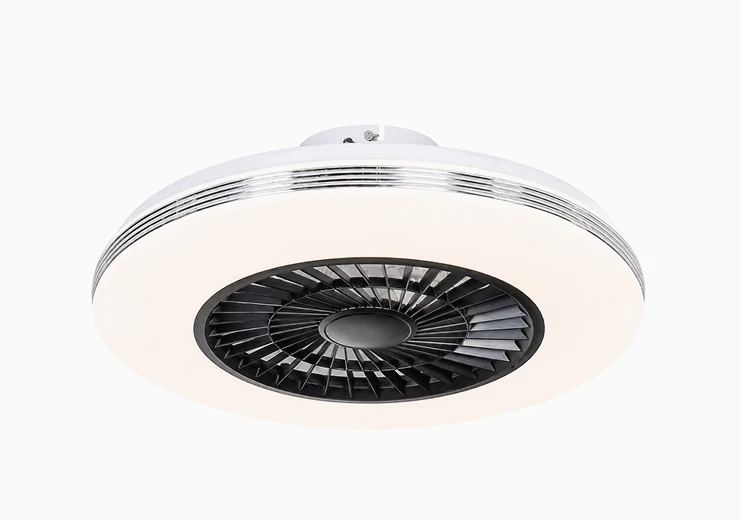
A separate wall-mounted airflow option for selected apartment corridors where ceiling installation may not be suitable.
Apartment Applications for Residential Fan Light Solutions
Different residential spaces create different sourcing requirements, from compact bedrooms to open kitchens and multi-unit projects requiring coordinated product platforms.
-
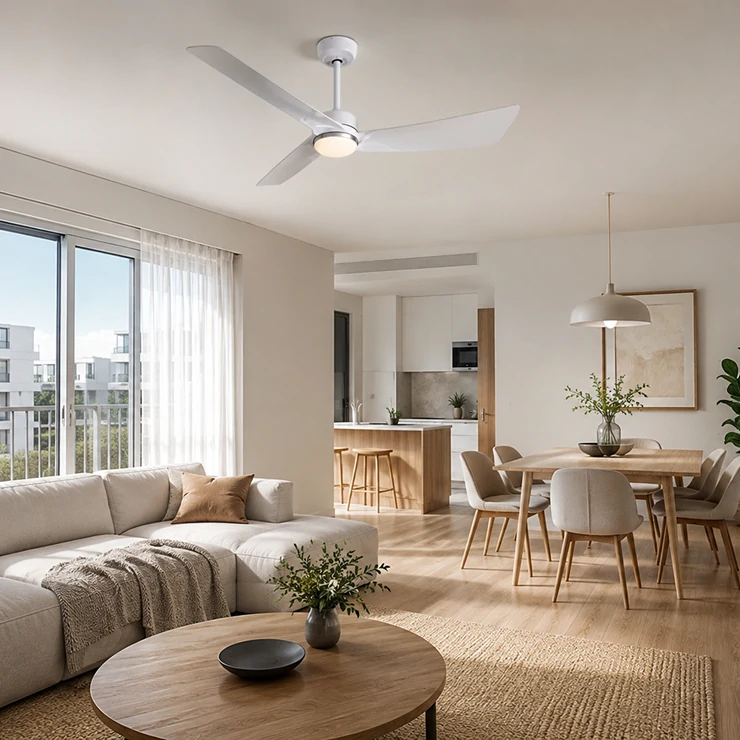
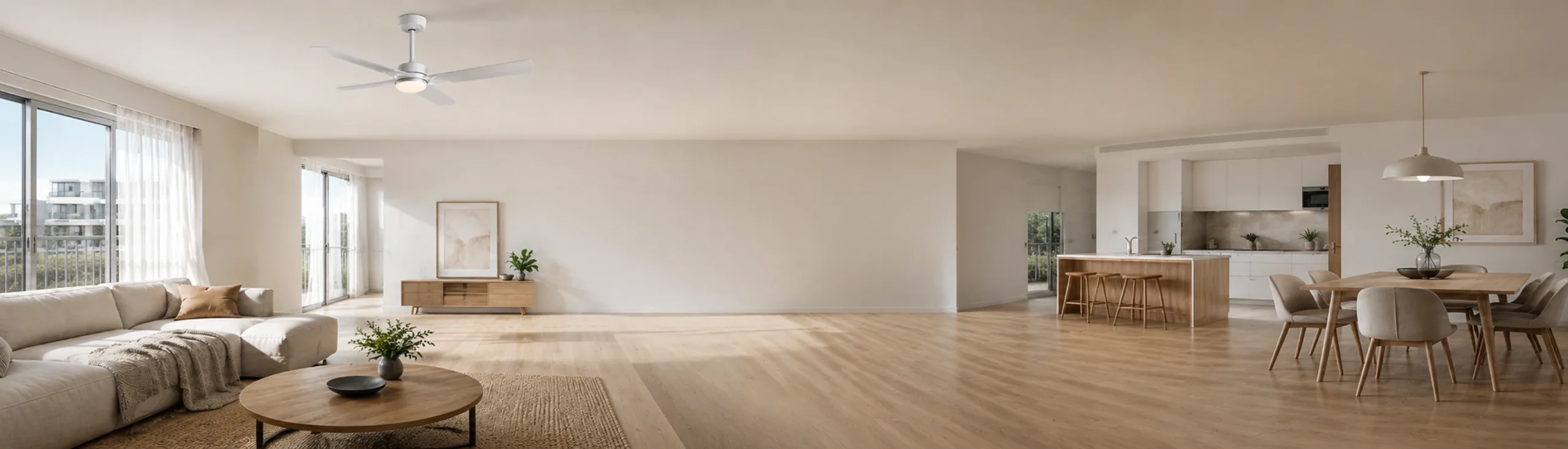
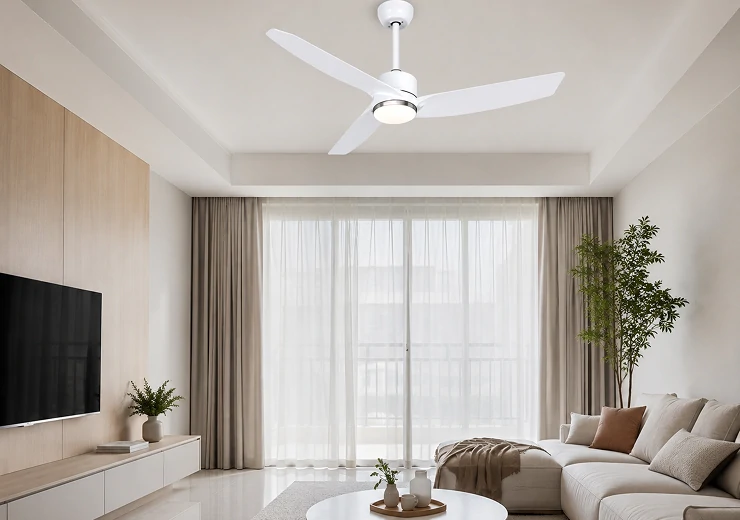
Ceiling fan light solutions can combine airflow and illumination within open living areas while supporting coordinated residential product design.
-
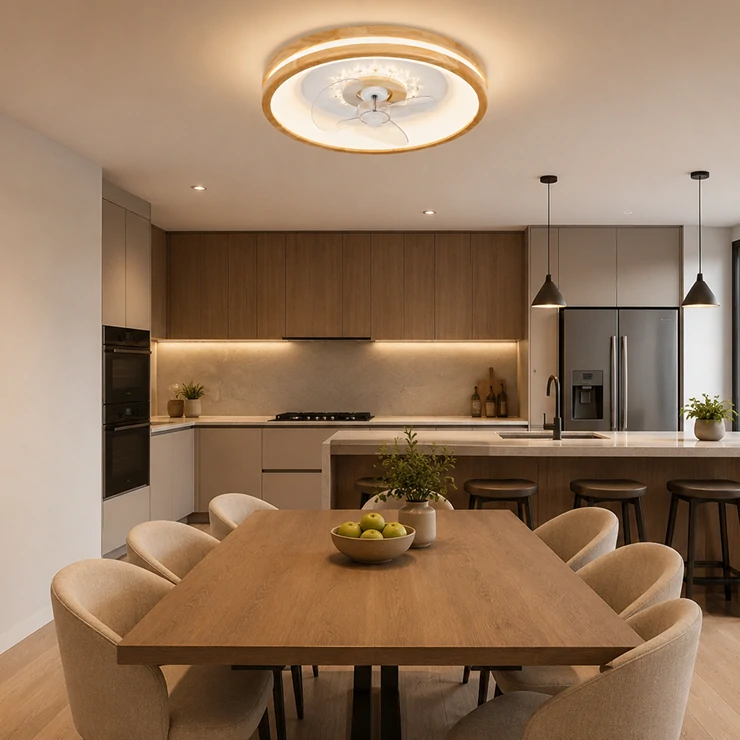
Integrated fan light configurations can support open kitchen and dining layouts where lighting and overhead airflow work within one fixture.
-
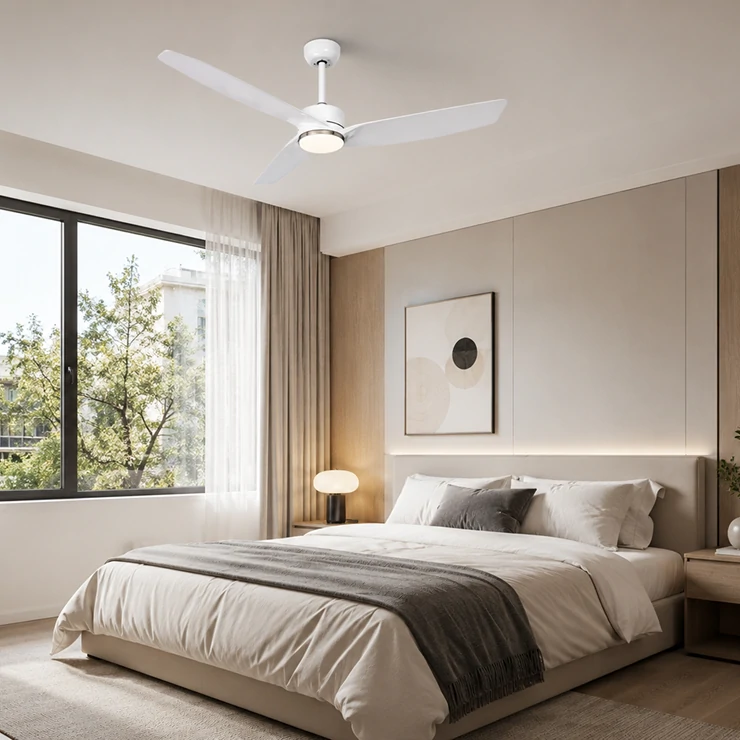
Bedroom applications may require compact structures, convenient controls, and lighting configurations aligned with residential design preferences.
-
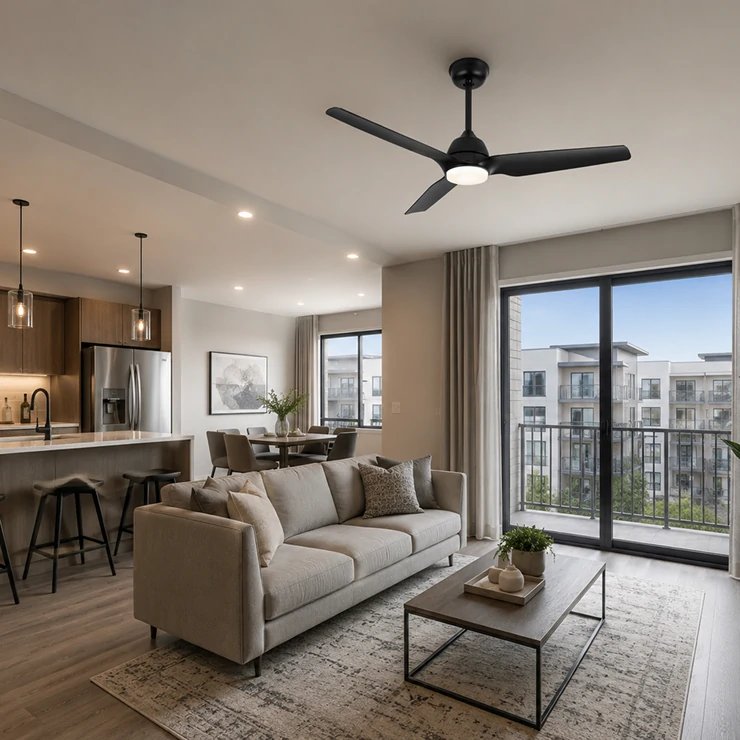
Project buyers can develop coordinated fan light selections for multiple apartments while managing product consistency and sourcing requirements.
-
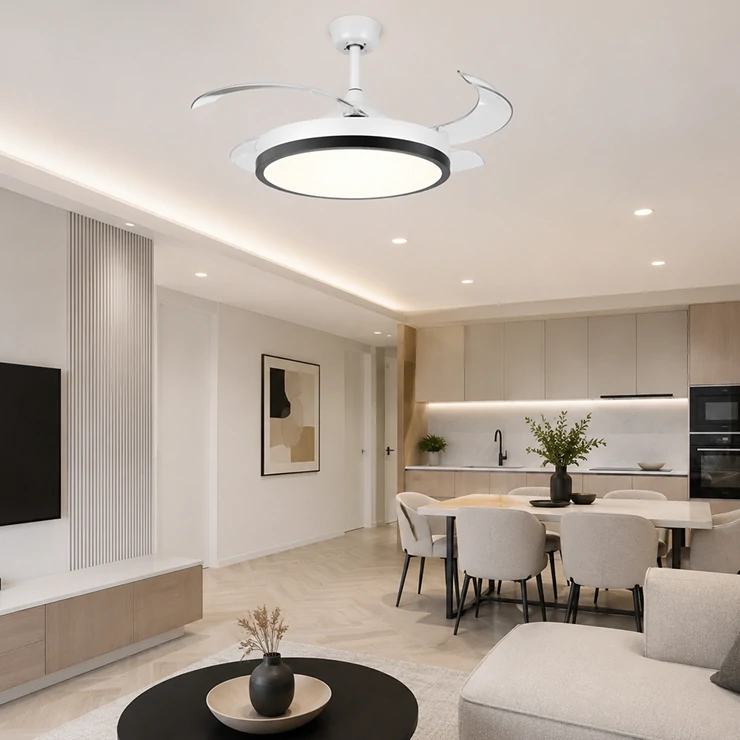
Renovation buyers can evaluate updated fan light designs around existing room layouts, ceiling conditions, and interior specifications.
-
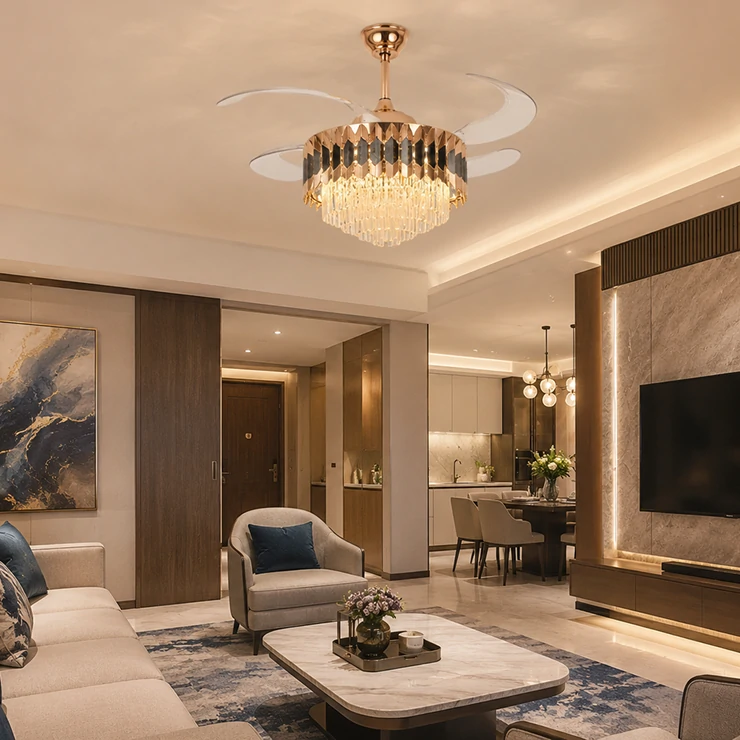
Serviced apartments and residential hospitality projects may require consistent designs, packaging, and procurement across multiple rooms.
Core Fan Light Features for Custom Product Development
Product architecture can be adapted around motor systems, lighting, blade design, controls, mounting conditions, finishes, and packaging requirements for different B2B markets.
-
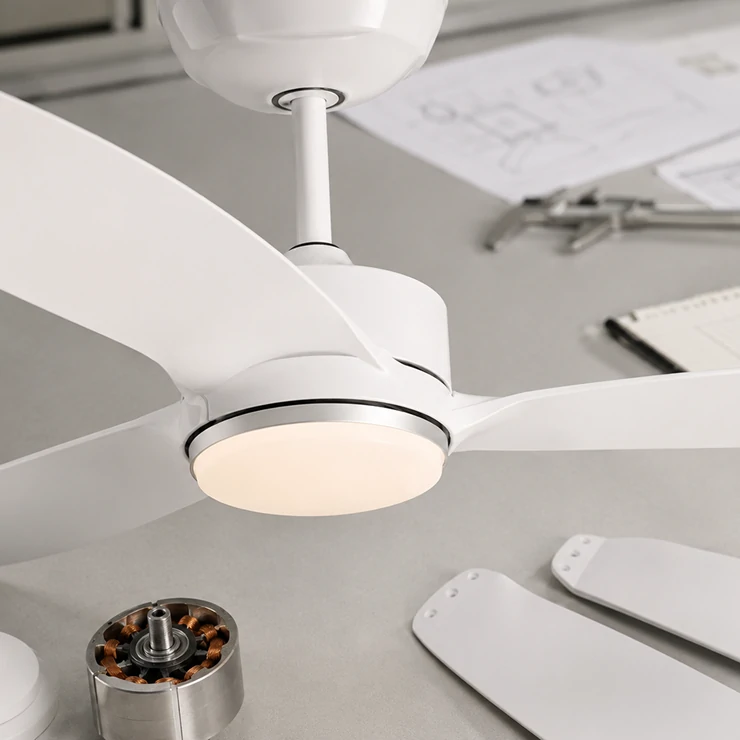
Motor selection influences the overall product architecture and should be evaluated according to the target market and confirmed product requirements.
-
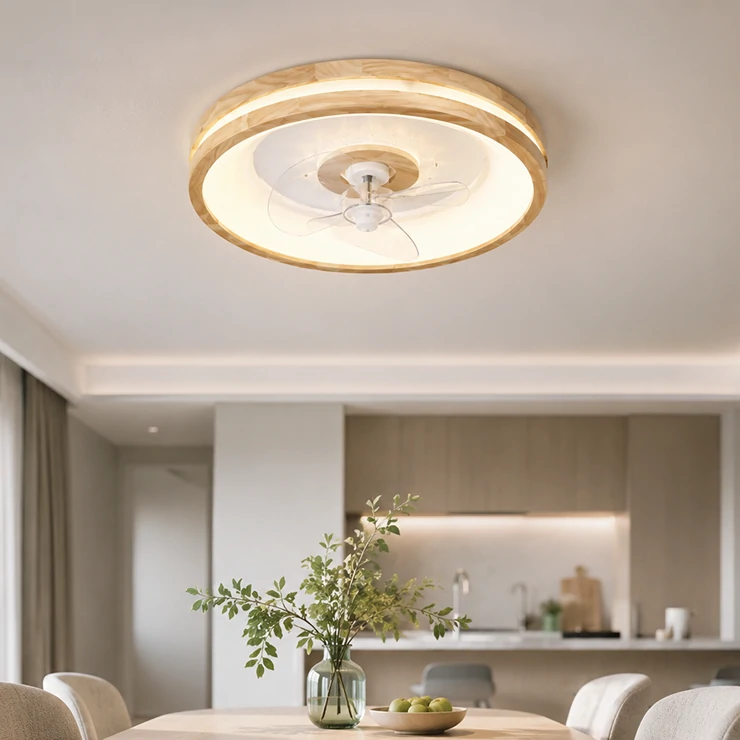
Integrated LED configurations allow brands to coordinate fan design and lighting within one residential fixture platform.
-
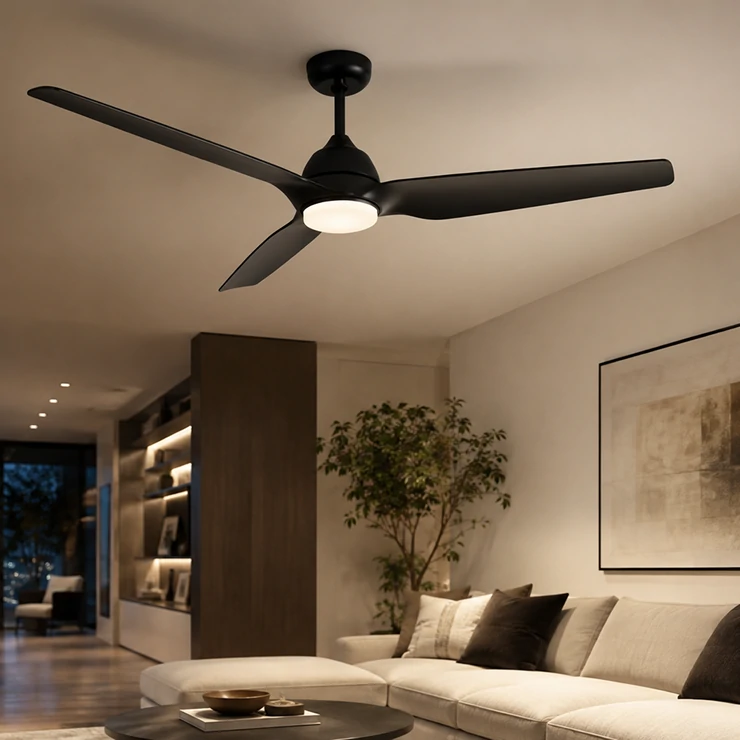
Blade shape, visual proportion, and finish can be considered together to match different residential interior styles.
-
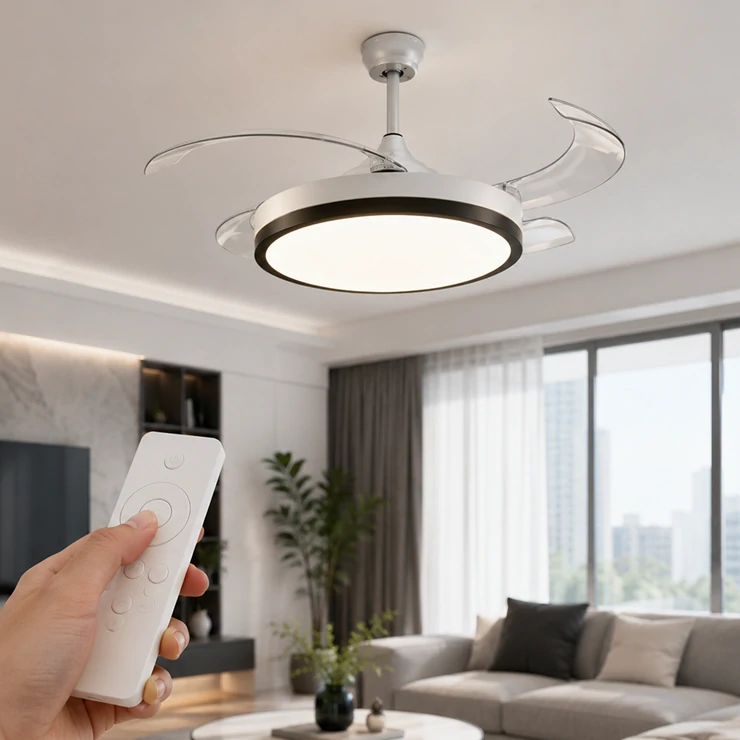
Remote, wall, or compatible electronic control options can support different user interfaces and product positioning.
-
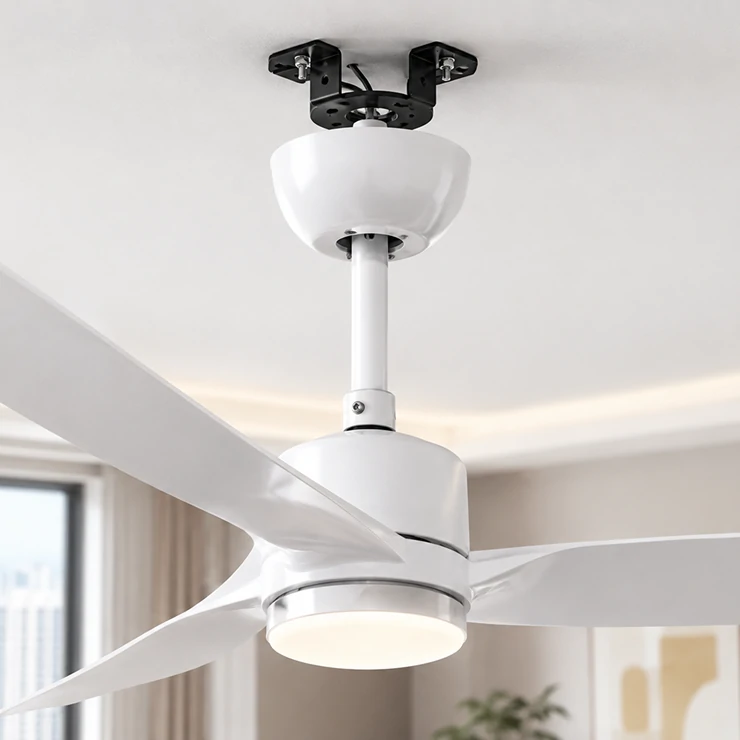
Mounting configuration should be matched to ceiling conditions, installation requirements, and the final product design.
-
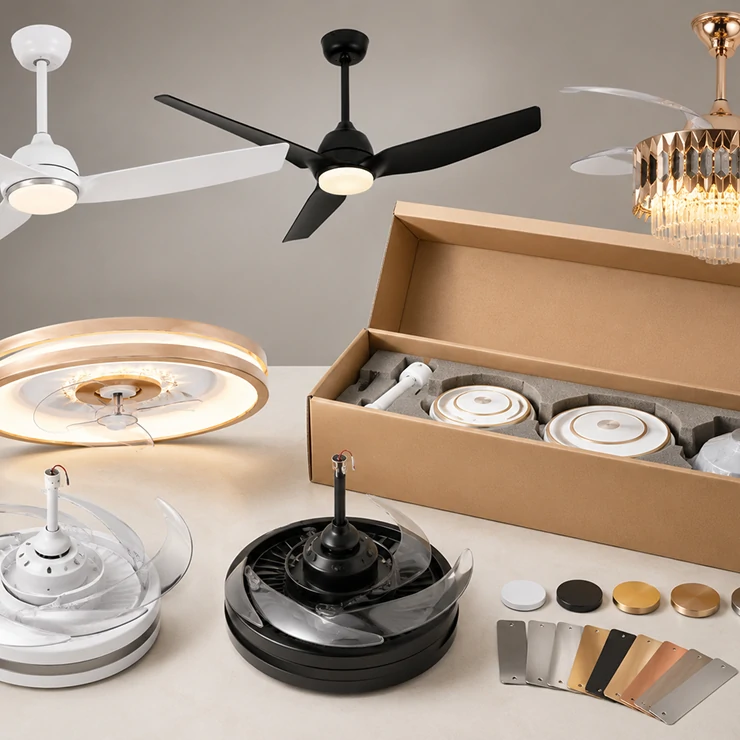
Surface finishes, branding elements, and packaging can be developed around private-label positioning and channel requirements.
Build the Right Fan Light Solution for Your Market
For brands, importers, wholesalers, and project buyers, product development involves more than selecting an existing fan model. An apartment-focused ceiling fan light range may require adjustments to appearance, structure, controls, lighting, packaging, and market compliance. Our OEM and ODM approach allows these elements to be evaluated as part of one product development process.
The detailed information within each tab can be presented through custom HTML blocks, tables, specifications, images, or comparison layouts in WordPress. This structure also gives buyers a clearer way to review product options before moving toward sampling and bulk sourcing.
- Product Selection
- Room Applications
- Features & Controls
- OEM & Private Label
- Project & Sourcing
Choose the Right Apartment Ceiling Fan Light
Match product structure, room conditions, lighting, and controls with your target market before moving into OEM or bulk sourcing.
Start with the Application
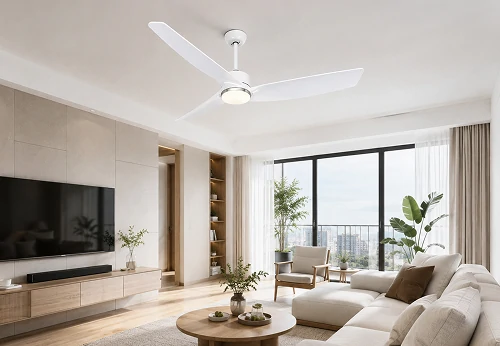
For an apartment ceiling fan light, product selection should begin with the intended space. Living rooms, bedrooms, dining areas, and open-plan kitchens can require different product proportions, mounting approaches, and lighting configurations.
For B2B buyers, defining the application early also helps build a clearer SKU strategy for wholesale, private label, or residential projects.
Key Considerations
- Room application
- Ceiling conditions
- Product proportions
- Lighting configuration
- Control preferences
Space & Mounting
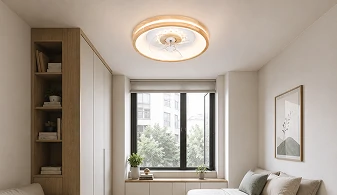
Choose a structure that fits the room layout and available ceiling space, including compact or low-profile configurations where appropriate.
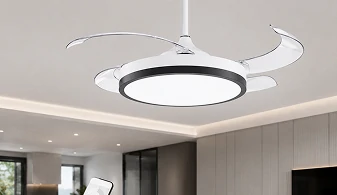
Lighting & Controls
Combine the fan with a suitable LED lighting and control configuration based on the product positioning and target market.
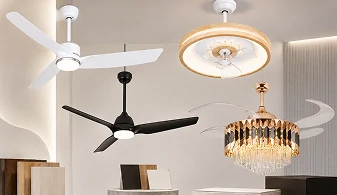
Design & Product Range
Coordinate blade design, finish, lighting appearance, and overall proportions to create a consistent product range for your brand.
Build Your Product Specification
Share your target market, room applications, preferred design, and functional requirements. Our OEM and ODM team can help define a suitable product direction.
Ceiling Fan Light Solutions for Different Apartment Spaces
Match each residential space with a suitable fan light configuration while keeping your product range practical for wholesale and project sourcing.
Designed Around the Space
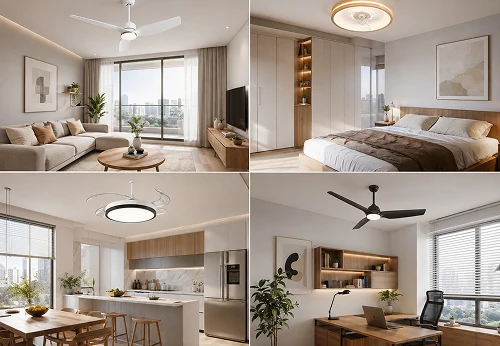
Different apartment spaces can have different requirements for product proportions, lighting, installation, and overall appearance. A living room may call for a stronger visual presence, while a bedroom or home office may benefit from a more compact and understated design.
For B2B buyers, organizing products by room application also makes it easier to build a clear residential product range for different channels and projects.
Typical Applications
- Living Room
- Bedroom
- Dining Area
- Open Kitchen
- Home Office
- Multi-Room Residential Projects
Living Room
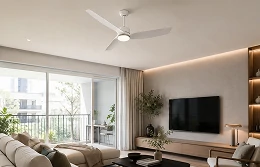
A balanced combination of airflow, lighting, and visual presence for central residential living spaces.
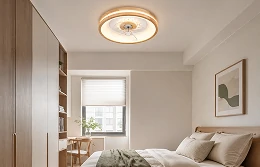
Bedroom
Compact, visually clean configurations can support residential bedrooms where space and interior simplicity matter.
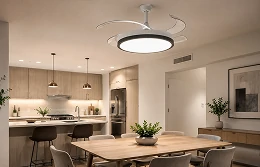
Kitchen & Dining
Fan light solutions can integrate into open kitchen and dining areas while complementing the surrounding residential design.
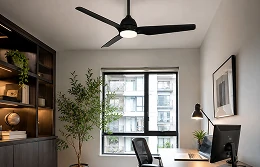
Home Office
A streamlined fan light can combine overhead lighting and air movement within compact work-from-home environments.
For Multi-Room Residential Projects
For developers, distributors, and sourcing teams, related fan light configurations can be planned across multiple apartment spaces to create a more consistent product package.
Configure the Features Behind Your Fan Light
From motor and blade design to lighting, controls, and mounting, each configuration can be aligned with your product positioning and target market.
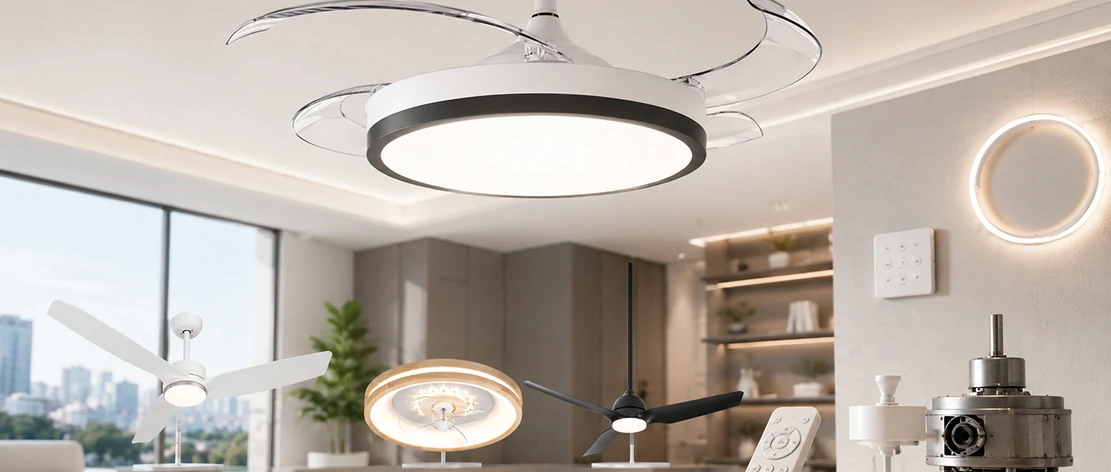
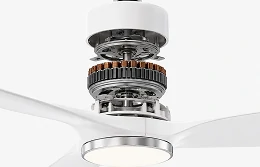
Motor System
The motor is the core of the fan system and should be selected according to the intended application, product structure, and confirmed performance requirements.
B2B Value:
Different motor configurations can support different product positioning and development requirements.
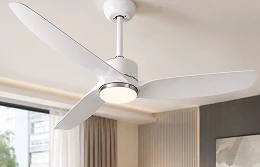
Blade Design
Blade shape and overall proportions influence the visual character of the product and should be coordinated with the motor system and intended residential application.
B2B Value:
Blade design provides an opportunity for brands to create a recognizable product appearance.
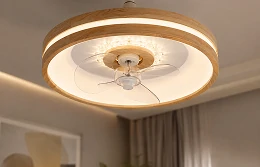
LED Lighting
Integrated LED lighting combines illumination with the fan structure and can be developed around the visual style and functional requirements of the target market.
B2B Value:
Lighting configuration can help differentiate product ranges without changing the overall application.
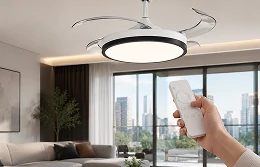
Control Options
Depending on the selected configuration, control options may include remote control, wall control, or compatible smart-control functions.
B2B Value:
Control selection allows brands to position different products for different channels and customer expectations.
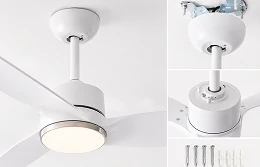
Mounting Structure
The mounting structure should be considered together with ceiling conditions, product proportions, and the intended installation environment.
B2B Value:
A suitable mounting approach helps brands develop products for different apartment layouts and residential projects.
Need a Custom Configuration?
Share your target application and functional requirements for an OEM or ODM product review.
Turn a Fan Light Concept Into Your Brand
Customize the appearance, configuration, branding, and packaging of your ceiling fan light to create a product range aligned with your market.
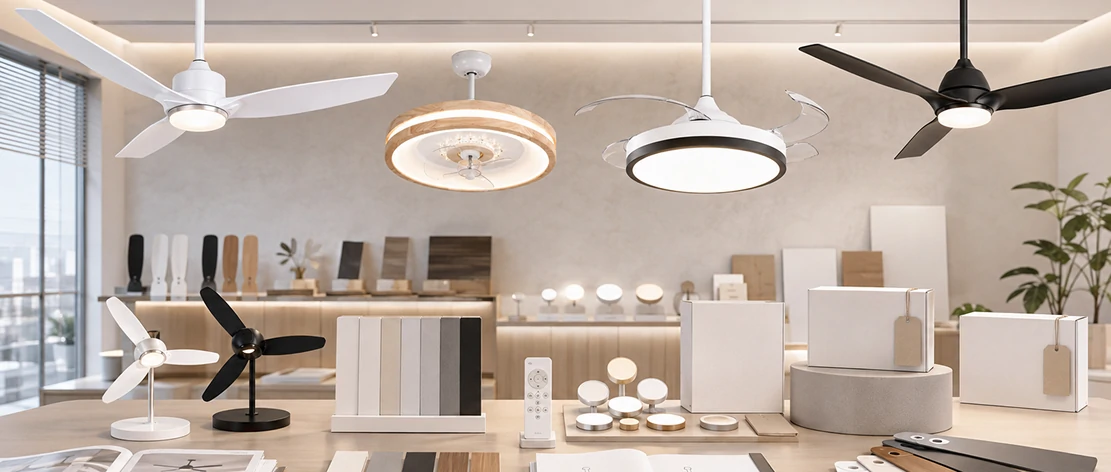
01 — Product Appearance
Adjust the product’s visual direction through housing details, blade styling, finish, color, and overall proportions.
02 — Lighting Configuration
Customize the lighting configuration according to the product concept, target market, and intended residential application.
03 — Control Options
Select compatible control solutions to match the product positioning and user expectations of the target market.
04 — Brand Identity
Add your brand identity through approved logo placement, product details, labeling, and other confirmed branding requirements.
05 — Retail Packaging
Develop packaging around your sales channel, product presentation, protection requirements, and private-label strategy.
06 — Product Range
Extend one product concept into a coordinated range with different applications, designs, or configurations for multiple sales channels.
From Product Brief to Private Label
Start with your target market and product concept, then define the design, functions, branding, and packaging requirements needed for your OEM or ODM program.
Plan Your Ceiling Fan Light Sourcing Project
A clear sourcing framework helps brands, wholesalers, importers, and project buyers align product requirements before moving into sampling and bulk purchasing.
Define the Project Before Sourcing
A clear product brief helps suppliers understand the commercial and technical requirements of your ceiling fan light project. Instead of starting with a product model alone, buyers can define the target market, application, product configuration, branding, packaging, and purchasing plan together.
Project Brief
| Buyer Requirement | What to Confirm |
|---|---|
| Target Market | Country or region where the product will be sold |
| Application | Apartment, residential, hospitality, office, or other project |
| Product Type | Preferred fan light structure and design direction |
| Functions | Motor, lighting, control, mounting, and other requirements |
| Branding | OEM, private label, or white label requirements |
| Packaging | Retail, e-commerce, project, or customized packaging |
| Quantity | Initial order and potential repeat purchasing plan |
| Compliance | Destination-market certification and testing requirements |
From Product Brief to Bulk Sourcing
Requirement
Confirmation
Product
Selection
Sample
Development
Sample
Approval
Order &
Production
Inspection &
Shipment
Each stage gives buyers an opportunity to confirm product details before moving to the next step, helping keep specifications, branding, packaging, and purchasing requirements aligned.
For Brands
Develop a differentiated product range around your design direction, target market, functional requirements, and private-label strategy.
For Importers & Wholesalers
Build practical product assortments for your sales channels while keeping product configuration, packaging, and purchasing requirements clearly defined.
For Project Buyers
Coordinate fan light requirements across residential developments or multi-room projects with consistent product specifications and packaging needs.
Ready to Discuss Your Sourcing Plan?
Send us your target market, application, preferred product configuration, branding requirements, packaging needs, and estimated purchasing plan. We can review the project and discuss the next step.
Related Ceiling Fan Light Solutions for B2B Sourcing

Manufacturing Strength Built for Global Fan Light Brands
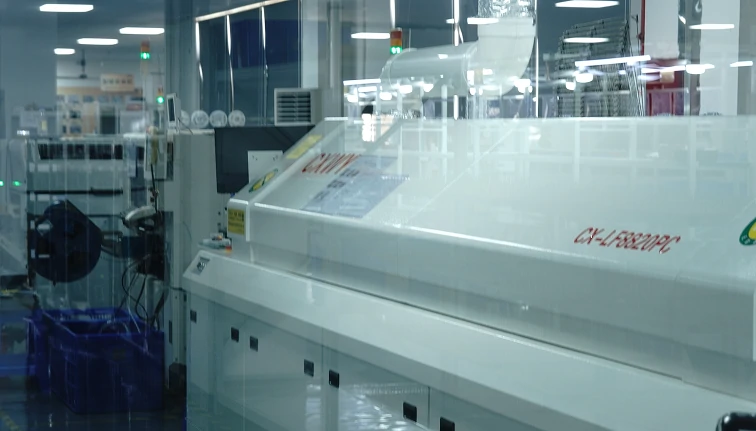
For more than 15 years, our manufacturing operation has focused on developing and producing ceiling fan light solutions for international markets. With 18,000 m² of production and operation space and more than 500 skilled employees, our factory provides an established manufacturing base for OEM, ODM, private-label, and white-label programs.
Our production model is designed to support different purchasing needs, from standard product sourcing to customized residential fan light projects. Buyers can work with the factory around product configuration, appearance, lighting options, packaging, and other confirmed project requirements while maintaining a clear connection between product development and production.
With export experience across North America, Europe, the Middle East, and Southeast Asia, we understand that different markets can have different product, packaging, documentation, and compliance requirements. Our role is to help overseas brands, importers, wholesalers, and project buyers coordinate these requirements through a structured manufacturing and sourcing process.
Manufacturing Capability |
Details |
|---|---|
| Factory Area | 18,000 m² production and operation space |
| Employees | 500+ skilled employees |
| Production Experience | 15+ years |
| Monthly Production Capacity | Available Upon Request |
| On-Time Delivery Rate | Around 90% on-time delivery rate |
| Customer Reorder Rate | Around 40% repeat purchase rate |
| Warranty | 2 Years |
| Sample Lead Time | 7–10 days for standard sample |
| Mass Production Lead Time | Usually 25–35 days after order confirmation |
| Export Markets | North America, Europe, Middle East, Southeast Asia |
| Production Type | OEM, ODM, Private Label, White Label |
R&D and Engineering for Custom Fan Light Development
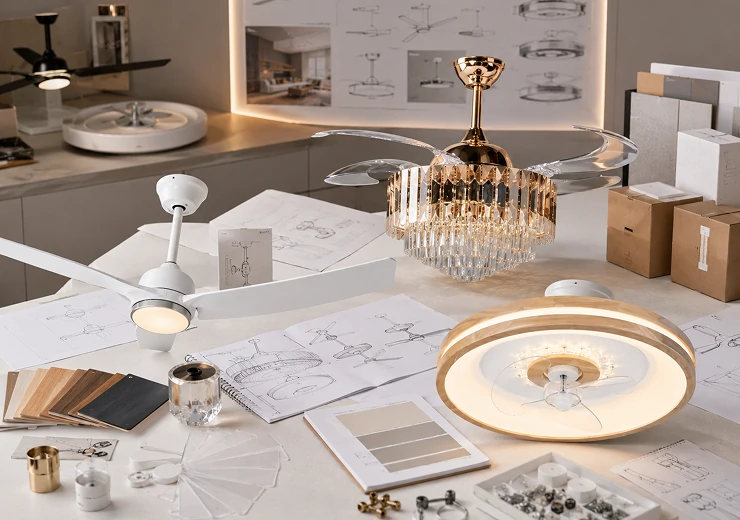
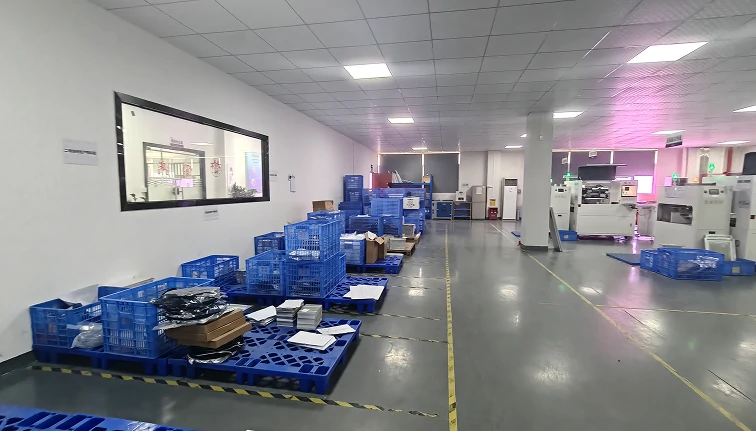
Product development is an important part of building a differentiated apartment ceiling fan range. For overseas brands, the objective may not be to source an existing product without changes. Instead, buyers may need to adjust the appearance, structure, lighting configuration, control system, mounting solution, or packaging to fit a specific market.
Our OEM and ODM development approach allows product requirements to be reviewed before moving into production. Depending on the project, development can involve product concept evaluation, industrial design, structural engineering, electronic development, prototype assembly, function programming, design improvement, and mass-production preparation.
For apartment applications, this development process can be particularly useful when a brand needs different fan light solutions for bedrooms, living rooms, dining areas, open-plan kitchens, or multi-unit residential projects. The goal is to create a product configuration that fits the intended application while remaining practical for manufacturing and future sourcing.
Product Development Support
- Product Concept Evaluation — Review the initial product direction against the intended application and market.
- Industrial Design — Develop or refine the visual language of the fan light around the target brand.
- Structural Engineering — Evaluate product structure, assembly relationships, and installation requirements.
- Electronic Development — Coordinate applicable electronic components and control functions.
- Prototype Assembly — Build samples for product evaluation before mass production.
- Function Programming — Support confirmed control and operating functions according to the selected configuration.
- Design Improvement — Refine product details based on sample review and development feedback.
- Mass-Production Preparation — Translate the approved product design into a production-ready configuration.
Production Management for Consistent Bulk Orders
Once an OEM or ODM product has been approved, production management becomes critical to maintaining consistency across the order. This is particularly important for wholesalers, importers, private-label brands, and project buyers who may reorder the same ceiling fan light configuration over multiple purchasing cycles.
Our production planning covers the key stages from material preparation and production scheduling to assembly, inspection, packaging, and shipment coordination. Standard sample lead time is 7–10 days, while mass production is usually completed within 25–35 days after order confirmation, depending on the confirmed configuration and production requirements.
The factory also reports an around 90% on-time delivery rate, providing buyers with a practical reference when planning purchasing schedules. Actual lead times should still be confirmed for each order based on product configuration, packaging, testing requirements, and order quantity.
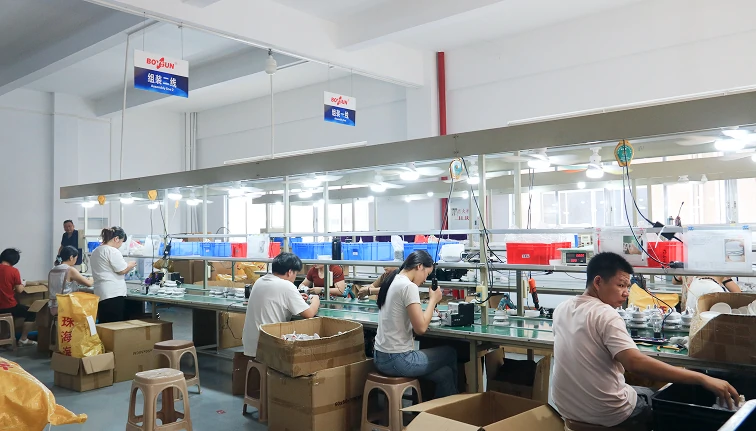
Production Management Includes
- 01 — Material Preparation Prepare the required materials and components according to the confirmed product configuration.
- 02 — Production Scheduling Coordinate the production schedule around the confirmed order requirements and manufacturing plan.
- 03 — Assembly Line Allocation Assign suitable production resources according to the product structure and assembly requirements.
- 04 — In-Process Inspection Review applicable production stages to help maintain consistency during assembly.
- 05 — Packaging Coordination Prepare approved packaging, product labels, accessories, and other confirmed packing requirements.
- 06 — Pre-Shipment Inspection Complete the agreed inspection process before the products move toward shipment.
- 07 — Export Documentation Coordinate applicable export documentation according to the confirmed destination and shipment requirements.
Reference Lead Times
Production Stage |
Reference |
|---|---|
| Standard Sample | 7–10 days |
| Mass Production | Usually 25–35 days after order confirmation |
| Final Lead Time | Depends on confirmed configuration, packaging, testing requirements and order quantity |
Quality Assurance from Components to Finished Products
Quality control for ceiling fan lights needs to cover more than the appearance of the finished product. Components, electronics, structural parts, lighting systems, assembly processes, and packaging can all influence the final product delivered to a B2B customer.
Our quality approach follows multiple checkpoints throughout the manufacturing process. Incoming materials and components can be inspected before production, while assembly, functional operation, appearance, packaging, and final products are reviewed during subsequent stages according to the applicable quality procedures.
For private-label and OEM buyers, consistency is especially important because the approved sample becomes a reference for future production. Maintaining alignment between the confirmed sample and subsequent bulk orders helps brands manage product consistency across different purchasing cycles and distribution channels.
The factory also provides a 2-year warranty, giving B2B buyers a defined warranty period for the supplied products. Specific warranty terms and applicable conditions should be confirmed according to the final order and product configuration.
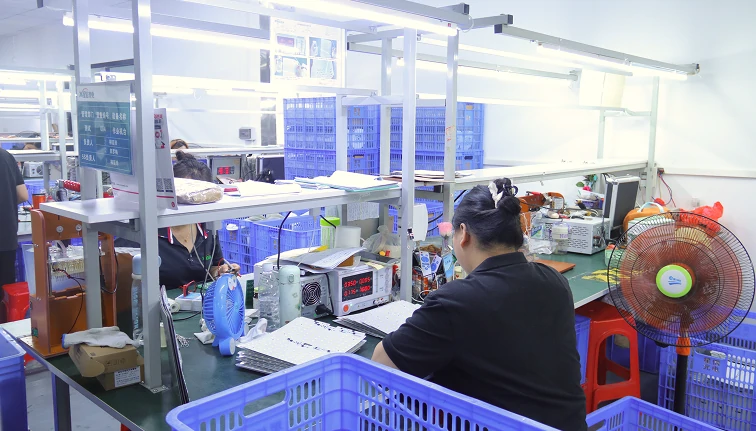
Quality Control Process |
Description |
|---|---|
| R&D Laboratory | Product development and validation |
| Airflow Testing | Wind speed and airflow efficiency |
| Balance Testing | Fan stability and vibration control |
| Lighting Inspection | Lamp holder and illumination check |
| Noise Testing | Operating sound verification |
| Aging Test | Continuous operation reliability |
| Voltage Test | Unstable voltage simulation |
| Appearance Inspection | Surface finish and assembly quality |
| Functional Testing | Remote control and speed verification |
| Packaging Inspection | Shipment safety confirmation |
Approved Sample Inspection
The approved sample provides an important reference for OEM and ODM production. Before bulk production and shipment, the confirmed product configuration, appearance, packaging, and other agreed requirements should be reviewed against the approved sample and order specifications.
Export Services for North America, Europe and Beyond
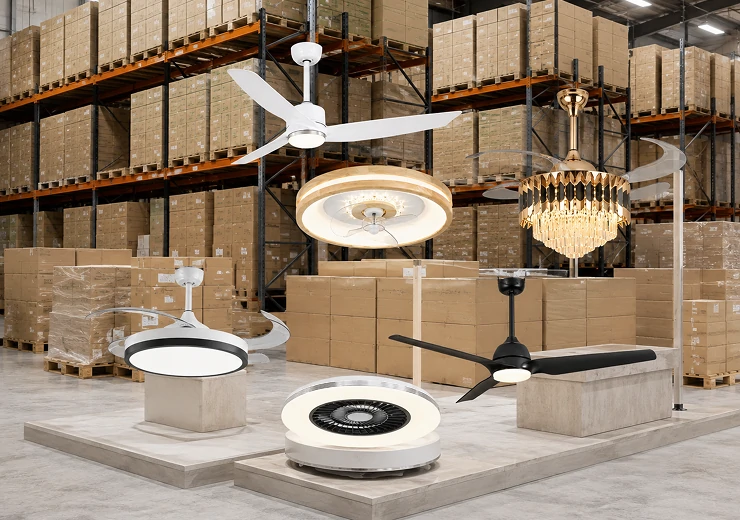
International sourcing requires coordination beyond the factory floor. For overseas brands, importers, wholesalers, and project buyers, product specifications need to connect with packaging, inspection, documentation, destination-market requirements, and shipment planning.
Our current export markets include North America, Europe, the Middle East, and Southeast Asia. This international experience provides a foundation for working with different types of B2B customers, including lighting brands, ceiling fan brands, home appliance companies, distributors, retailers, private-label buyers, and project sourcing companies.
For private-label and white-label programs, export coordination may also involve branded packaging, product labeling, accessories, documentation, and other market-specific requirements. These details should be confirmed before production so the manufacturing and shipping process can follow the agreed purchasing requirements.
Export Support Includes
- Product Specification Confirmation
- Private Label Packaging Coordination
- Inspection Coordination
- Export Documentation Support
- Destination-Market Requirement Review
- Shipment Preparation
- Buyer Communication
- Project Order Coordination
Target Export Markets
North America · Europe · Middle East · Southeast Asia
Certification & Testing
Certification and testing support can be arranged based on the final product configuration and destination market.
Specific CE, FCC, RoHS, ETL, UL, or other certification status should be confirmed for the final product before publication or commercial use.
Apartment Ceiling Fan FAQ
Yes. OEM customization can cover selected product appearance, structure, lighting configuration, controls, branding, packaging, and related product details. The available options depend on the existing product platform and development requirements. For a new project, buyers should provide the target market, preferred design direction, required functions, and packaging expectations for evaluation.
It depends. A compact or low-profile ceiling fan light may be considered when floor area or ceiling clearance is limited. The appropriate configuration depends on the room layout, ceiling condition, installation requirements, and product design. Buyers should confirm the intended room and installation environment before selecting the final product specification.
Yes. Bulk sourcing can be supported for wholesalers, importers, distributors, retailers, and project buyers, subject to the confirmed product and production requirements. Before placing an order, buyers should confirm product configuration, packaging, inspection requirements, destination market, and expected purchasing volume with the supplier.
Yes. Private-label programs can include selected product branding, appearance options, packaging, and other agreed configurations. White-label arrangements may also be considered when an existing product platform fits the buyer’s requirements. Final customization scope should be reviewed before sampling and production.
Yes. OEM and ODM development can be evaluated for apartment-focused residential products. The project may involve product structure, appearance, lighting, controls, packaging, and other requirements. Buyers should provide the target market, intended application, preferred product direction, and any required compliance specifications before development begins.
Yes. A product range can be planned around living rooms, bedrooms, dining areas, open-plan kitchens, and other residential spaces. Different applications may require different product structures, visual designs, lighting configurations, or controls. A sourcing program can therefore combine several product directions while maintaining a consistent brand identity.
It depends. Wall-mounted fans are a separate product category from ceiling fan lights and may be considered for selected hallway or corridor applications where ceiling installation is unsuitable. If this product is included in your sourcing program, the required specifications, installation conditions, and target-market compliance should be confirmed separately.
It depends. Certification and testing support can be arranged based on the final product configuration and destination market. Requirements may differ between the United States, Europe, and other regions. Buyers should provide the target sales market and applicable compliance requirements before finalizing the product configuration and testing plan.