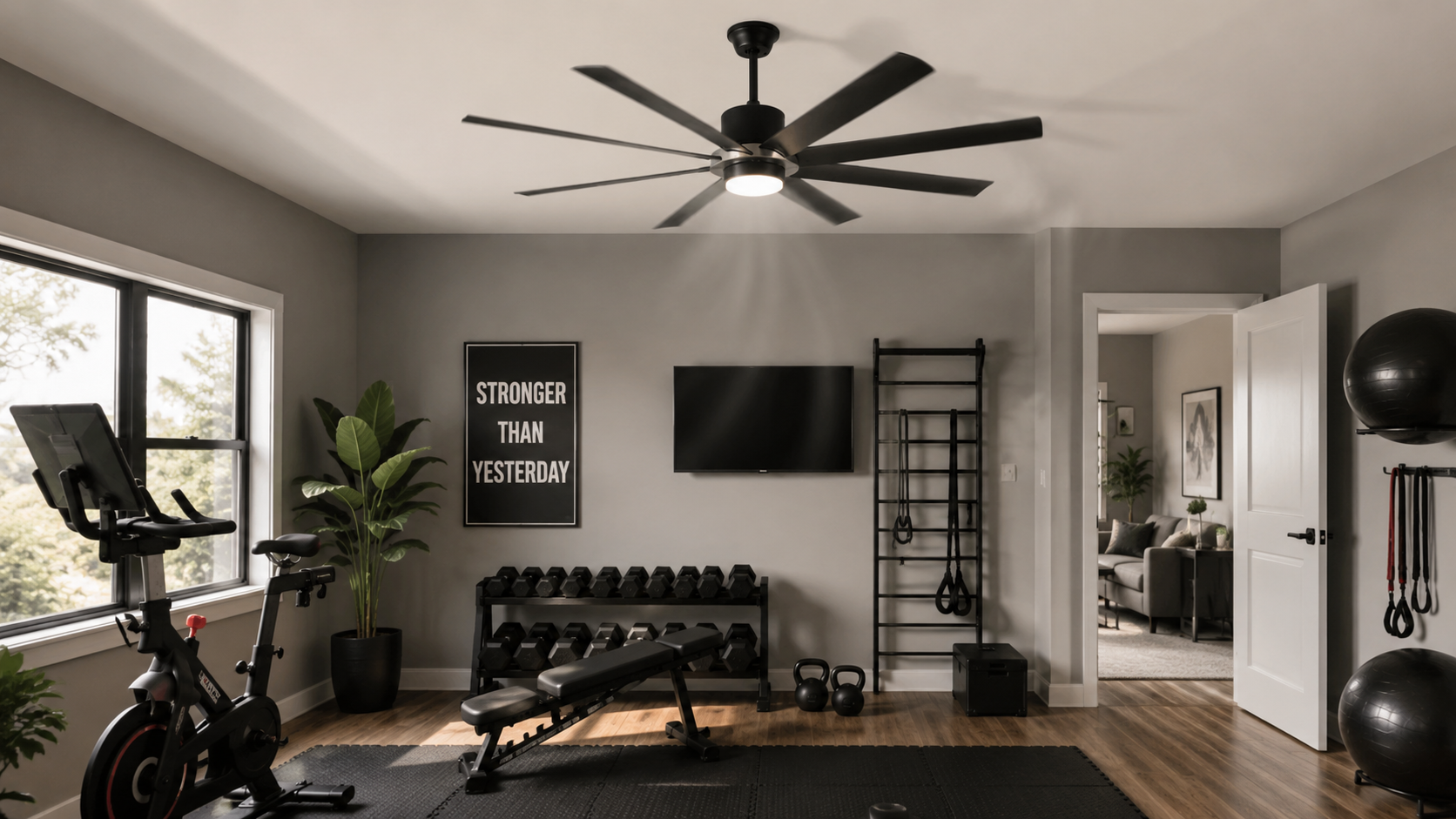



If your goal is to improve airflow without increasing energy costs, the answer is usually not stronger cooling. It is better air movement, less trapped heat, and a fan setup that still feels useful at low speed.
For residential fan light options, start with the residential ceiling fan lights collection before choosing a product style.
1. Start with Airflow, Not Cooling
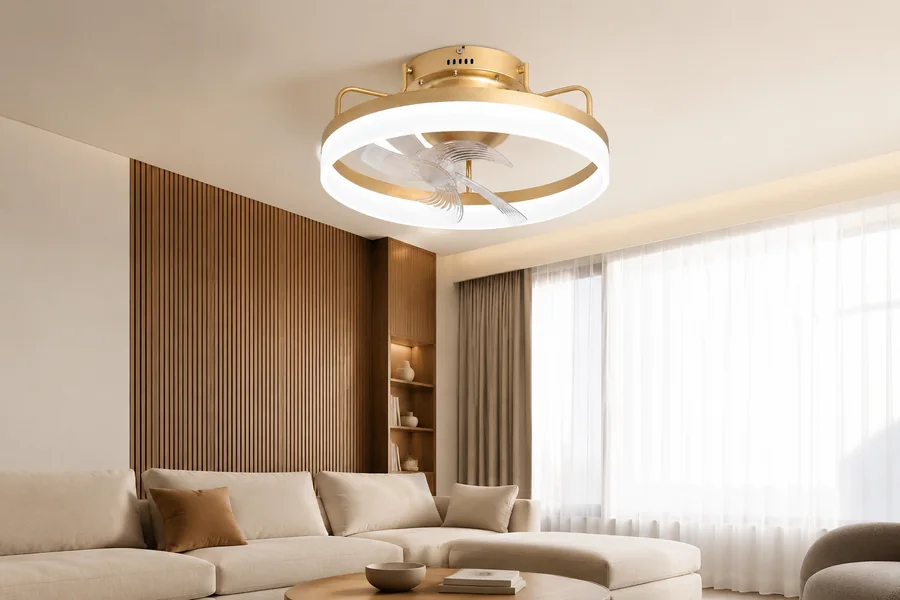
Airflow and cooling work together, but they solve different problems. Cooling changes the air temperature, while airflow changes how the body feels inside that air.
1-1. Moving air feels cooler because it helps the body release heat
Moving air helps heat leave the skin more quickly, so the same room can feel easier to live in even when the thermostat does not move. That is why a fan can support comfort without forcing the AC to work harder.
That is the basic logic behind an energy saving home strategy. If air movement is improved first, the room often needs less aggressive cooling later.
1-2. Airflow only works when the room gives it a path
Air needs a route. If furniture, curtains, partitions or closed doors block that route, the fan may only stir air in one corner while the rest of the room stays still.
That is why better airflow starts with room layout, not only fan speed. Once the room gives the air somewhere to go, the same fan usually feels more effective.
2. Use Natural Ventilation When Outdoor Air Helps
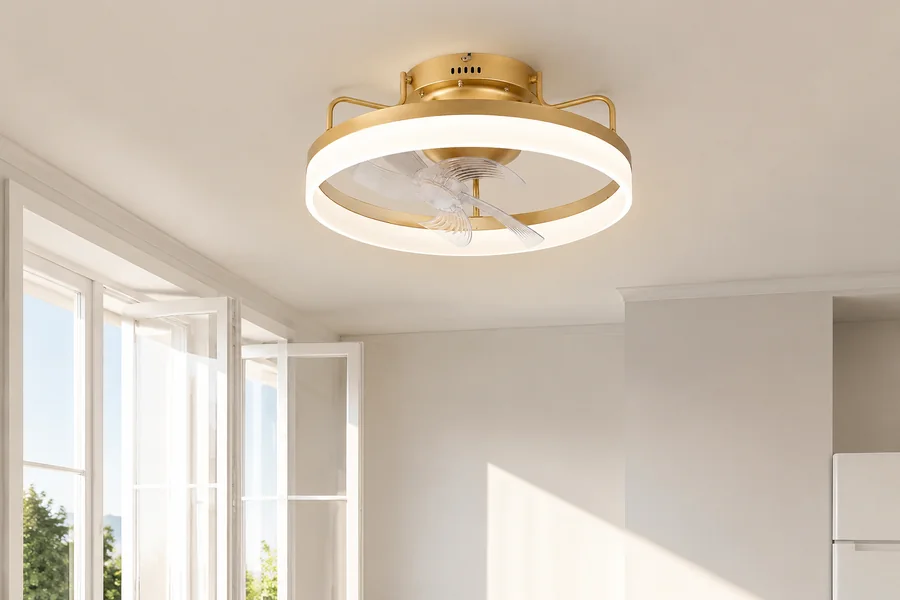
Natural ventilation can reduce energy use when outdoor conditions are actually suitable. It is not the answer every day, but on the right day it can reduce the load on mechanical cooling.
2-1. When does cross ventilation help?
Cross ventilation helps when the outdoor air is actually better than the indoor air. In practical terms, that usually means the outside is cooler, drier or cleaner than the room, the humidity is manageable, and the space has two openings that can create a true in-and-out path for air.
The best case is a window or door on one side and a second opening on the opposite side. Then the room can draw fresh air in, push warm air out and avoid the trapped, stagnant feeling that often makes a room seem hotter than it really is.
The Building Science Education page on natural ventilation explains how wind, stack effect and fans can help distribute cooler air through a home.
| Room condition | Does cross ventilation help? | Best move |
|---|---|---|
| Mild outdoor air, two open sides | Yes | Open both sides and let air pass through |
| Hot but dry outdoor air | Sometimes | Test briefly, then compare with fan-only cooling |
| Hot, humid, polluted or dusty air | No | Keep windows closed and rely on fan plus shading |
| One opening only | Limited | Add a fan to move air, but do not expect full through-flow |
2-2. When should you keep the room closed?
Windows should stay closed when outdoor air is hot, humid, polluted or dusty. In those conditions, open windows do not help the room feel better, because they bring in air that is harder to cool and less comfortable to breathe.
The smarter move is often to keep the room sealed, use shading, and let the fan improve how the indoor air feels. Good airflow is about timing as much as movement, so the room should only open when the outside air can genuinely help.
3. Choose a DC Motor Fan for Low-Energy Comfort

A DC motor ceiling fan is one of the best tools for low-energy airflow because it can run smoothly at lower wattage and with finer speed control. That matters in real homes, where the fan usually stays on for long periods rather than for a few minutes.
3-1. Why does low-speed control matter most?
Most rooms do not need a harsh breeze. They need a steady low-speed airflow that stays comfortable over time, especially in bedrooms, living rooms and workspaces where people sit still for longer periods.
A luxury ceiling fan should still be checked for motor quality, not just decorative appearance. The fan should feel smooth at the setting people will actually use every day, not only impressive at maximum speed.
3-2. Why does quiet operation matter for energy use?
If a fan is quiet, people are more likely to leave it on and keep it at a gentle speed. A noisy fan usually gets shut off, which removes the comfort benefit and pushes the room back toward heavier cooling.
That is why quiet operation matters more than many buyers expect. In practice, it changes whether the fan actually saves energy day after day, because comfort only saves power when people keep using the product.
4. Match Fan Type to Room Size and Ceiling Height
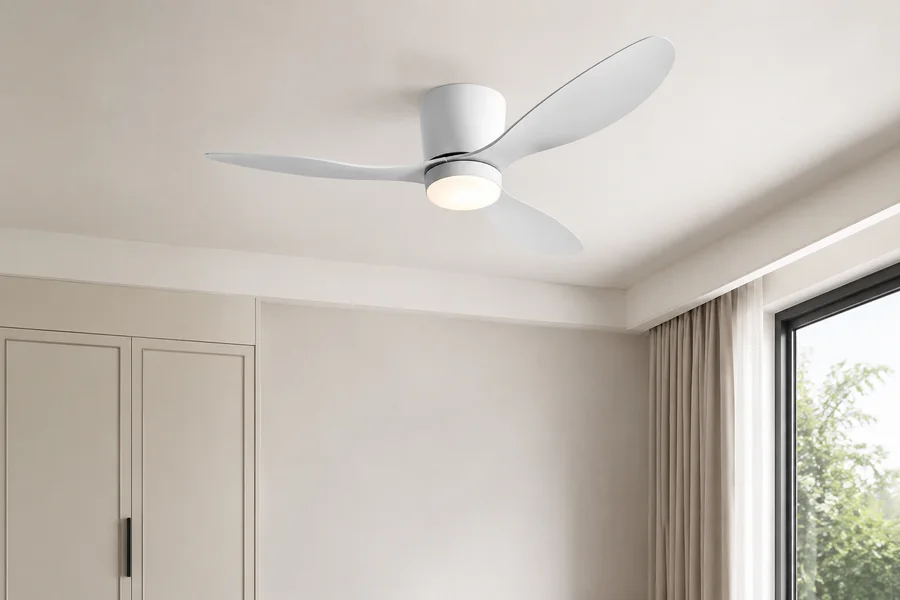
The best fan type depends on room size, ceiling height, lighting needs and how people use the space. A compact room and a tall room rarely need the same fixture.
| Fan type | Best for | Main reason |
|---|---|---|
| Flush mount fan | Low ceilings and compact rooms | Keeps headroom and gives basic airflow |
| 52 inch fan | Medium rooms with separate lighting | Balanced coverage without excess bulk |
| Ultra-thin DC fan | Modern rooms and low-visual ceilings | Cleaner ceiling line with practical airflow |
4-1. Why is flush mount often the safest start?
A flush mount fan is better when the ceiling is low or the room needs a compact central product. It keeps the fixture close to the ceiling, which helps protect headroom and reduces the feeling that the room is being pulled downward by a long hanging body.
It can improve airflow without adding a long hanging fixture. That makes it one of the easiest choices when headroom is limited and the ceiling should still feel open.
4-2. Why does a 52 inch fan fit many medium rooms?
A 52 inch wood fan works better when the room is medium to large and already has separate lighting. It is wide enough to feel useful in a living room or bedroom, but not so large that it starts to dominate every view in the room.
No-light fans can keep the ceiling simpler when lamps or recessed lights already handle brightness. In that case, the fan can stay focused on airflow instead of trying to carry the whole lighting plan, which often gives a calmer result.
4-3. Why do ultra-thin fans work in modern rooms?
An ultra-thin DC fan makes sense when the room needs a cleaner ceiling line but still needs useful air movement. The thin profile helps the ceiling feel lighter, which is important in rooms that already use simple furniture and restrained finishes.
This works well in modern apartments, offices and calm bedrooms. The goal is to keep the ceiling visually light while still giving the room enough air movement to feel comfortable.
5. Place the Fan Over the Real Comfort Zone

Fan placement should follow the active zone of the room. The fan should serve where people actually sit, sleep or work, not just the middle point drawn on a floor plan.
5-1. Why is the geometric centre not always right?
The geometric centre of the room is not always the comfort centre. If the sofa, bed or desk is off-centre, the fan may need to move toward the area that people actually use, because that is where people notice airflow most.
Good placement improves comfort without increasing speed. That is one of the easiest ways to make a fan feel stronger without adding more power, and it usually matters more than one extra speed setting.
5-2. What blocks airflow most often?
Keep tall furniture, shelves and heavy curtains away from the main airflow path. A room with blocked airflow may need higher fan speed just to feel the same, which wastes the advantage of a well-chosen fan and can make the room feel patchy instead of balanced.
Open paths let the same fan do more work with less effort. In real rooms, that simple change can be as important as the product itself, because a good fan still needs a clear route to move air.
6. Cut Heat Load From Sun and Lighting

Airflow feels different when the room has strong sun, hot lights or poor shading. If the room keeps adding heat, the fan has to work harder just to keep comfort steady.
6-1. Why is shading the first layer of energy saving?
Direct sun can heat walls, floors and furniture. Once those surfaces warm up, the room stores heat and the fan has to fight that extra load instead of only improving airflow.
Curtains, blinds and better daytime shading can make the same fan feel more effective right away. This is one of the cheapest ways to improve comfort without buying a stronger cooling system, and it often works before any equipment upgrade is needed.
6-2. Why do LED fan lights help?
Hot, inefficient lights add heat. LED fan lights can reduce that extra load while still giving useful brightness for daily use, so the room does not have to fight unnecessary heat from the ceiling fixture itself.
A 42 inch flush mount fan can suit rooms where lighting and airflow need to come from one compact fixture. That is especially helpful when the room needs one neat ceiling point rather than several separate products.
7. Check Factory Build Quality Before Bulk Orders
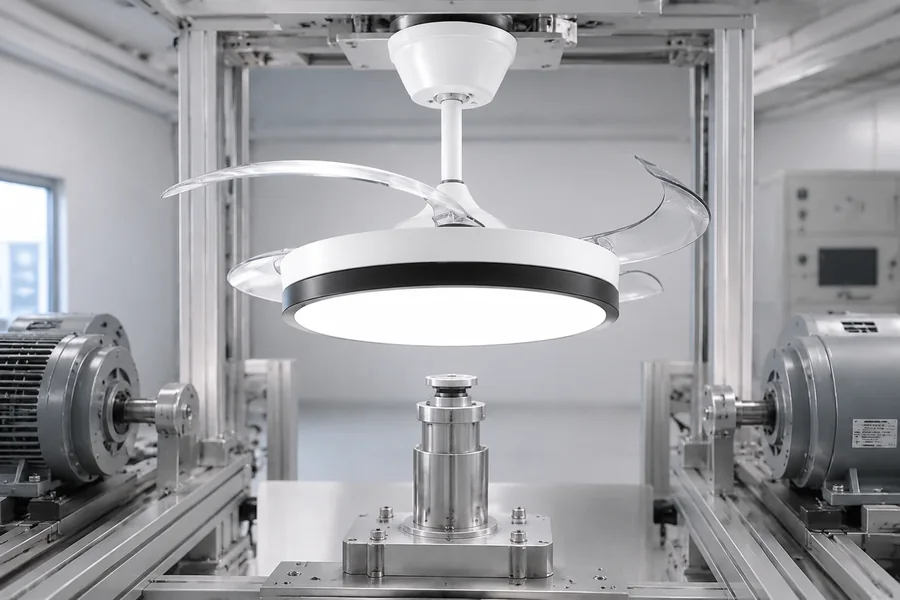
Energy saving depends on more than motor type. A fan that is balanced, stable and consistent will usually feel better in daily use than a product that only looks efficient on paper.
7-1. What should factories test first?
Factories should test motor efficiency, blade balance, speed control, driver stability, remote function, noise and long-run performance. These checks matter because a product that looks efficient in a spec sheet can still feel wrong in daily use if it vibrates, hums or reacts badly at low speed.
If the fan wobbles or hums, users may run it less often or keep it at the wrong speed. That means the product misses the very comfort benefit it was supposed to deliver, even if the fan technically uses less power.
7-2. How much does blade shape change performance?
Blade pitch, shape and material affect how air moves. A fan with poor blade design may use power without moving enough air, while a better-shaped blade can feel smoother at the same speed.
That is why performance testing matters before bulk orders. Better airflow usually comes from the full system, not from one part alone, so the blade design should be judged with the motor and mount together.
8. Use Daily Habits That Keep Air Moving

Small habits can improve comfort without buying new equipment. The room should support airflow instead of blocking it.
8-1. How should doors be managed?
A closed door can trap warm air, while an open path can help air circulate through connected rooms. The right choice depends on whether you want to cool one room or move air through a larger zone, and the answer can change from morning to evening.
If the room is part of a larger layout, test both positions and see which one feels better. Airflow often changes more than people expect when a door moves, so small door habits can make a real comfort difference.
8-2. Why should fans stay off in empty rooms?
Fans cool people, not empty rooms. If nobody is using the room, running the fan can waste energy without improving comfort, and it can also create the false impression that the room is already being used.
That simple habit is one of the easiest ways to cut unnecessary power use. The fan should work where people are, not where the air is empty.
9. Keep Design Choices Practical for Airflow

Airflow is not separate from interior design. Ceiling height, fixture depth and decorative style all affect how comfortable the room feels.
9-1. Why do decorative choices still need clearance?
A beautiful fan that blocks sight lines, hangs too low or moves weak air is not a good design choice. The ceiling product should support the room both visually and physically, because comfort disappears quickly when the fixture feels too heavy or too close.
For decorative planning, compare the luxury ceiling fan guide.
A luxury ceiling fan with LED light can also work when the room wants decorative presence as well as airflow. The key is to keep the decorative effect controlled, not crowded.
9-2. What makes low rooms feel better?
Low rooms need airflow without losing headroom. A compact product and lighter ceiling plan usually work best because they keep the ceiling from feeling compressed.
For low spaces, review the low ceiling design guide before choosing the final product. That way the ceiling fixture supports the room height instead of fighting it.
10. Use a Simple Final Checklist

The best airflow strategy combines room layout, fan type, motor quality and daily habits. If one of those parts is wrong, the room can still feel hot even with a good-looking fan.
| Check point | What to confirm | Why it matters |
|---|---|---|
| Room size | Length, width and seating zone | Avoids oversizing or undersizing |
| Ceiling height | Flat, low or taller ceiling | Decides flush mount or downrod |
| Heat load | Sun exposure and light heat | Shows how hard the fan must work |
| Motor quality | DC motor, noise and wobble | Predicts daily comfort and efficiency |
| Controls | Remote, wall, smart or timer | Affects how often people actually use it |
10-1. What should you check first?
Start with room size, ceiling height, active zone, window position and heat exposure. Then decide whether you need a compact fan, a 52 inch model, or a cleaner low-profile option, because those room details define the useful airflow target.
That order matters because the room decides the ceiling solution, not the other way around. It is the most reliable way to avoid oversizing or under-sizing the fixture and ending up with a fan that looks fine but feels wrong.
10-2. What should you confirm with the supplier?
Ask about motor type, blade balance, noise, speed settings, controls, packaging and warranty. A product that looks efficient on paper still needs stable production quality and consistent daily use, especially if it will run for long periods in bedrooms or living rooms.
For more residential options, return to the residential ceiling fan lights collection after defining the airflow problem. If the project needs a supplier partner, NEBOLA can help with product selection and customization in a way that matches real room conditions.
If you are looking for a better ceiling fan light solution for your project, NEBOLA can provide one-stop support from product selection to customization. We focus on ceiling fan light R&D and manufacturing, helping brands, importers, and distributors find products that better match real space needs.
Need Help Choosing the Right Ceiling Fan Light?
Tell us your room size, ceiling height, lighting needs and project plan. NEBOLA can help match the right fan light style and configuration.
Get a QuoteFAQ About Room Airflow and Energy Saving
Can airflow improve comfort without lowering the thermostat?
Yes, airflow can improve comfort without lowering the thermostat because moving air helps the body feel cooler.
Is a DC motor ceiling fan good for energy saving?
Yes, a DC motor ceiling fan is good for energy saving because it usually supports efficient operation and smoother low-speed control.
Should fans run in empty rooms?
No, fans should not run in empty rooms because fans cool people through air movement, not the room itself.
Can natural ventilation reduce cooling energy?
Yes, natural ventilation can reduce cooling energy when outdoor air is cooler, cleaner and suitable for the home.
Is fan placement important for airflow?
Yes, fan placement is important because the fan should serve the real activity zone, not only the geometric centre of the room.
Do factory tests matter for airflow performance?
Yes, factory tests matter because motor quality, blade balance and speed control affect both comfort and energy use.