

E26 and E27 socket fan lights may look almost interchangeable, but you should not treat them as the same product for every market. The base dimensions are close, yet the voltage environment, lamp holder expectation, label language, plug and adapter rules, and certification path can change by country. If you sell or source socket fan lights, the safer answer is simple: match the socket type, rated voltage, frequency, installation structure, and compliance file to the market before you confirm a SKU.
The common mistake is stopping at whether the bulb-style fan can screw into a ceiling socket. That only answers physical fit. A useful comparison also asks whether the product can run safely on the local supply, whether the package explains the right installation limits, and whether the certification documents match the exact model you plan to ship. For a broader category view, start with NEBOLA’s socket fan lights before you compare individual E26 or E27 options.
What Is the Real Difference Between E26 and E27 Socket Fan Lights?
How close are E26 and E27 bases in real use?
E26 and E27 are both Edison screw bases, and the number roughly points to the base diameter in millimetres. Because they are close in size, many small lamps can seem physically similar at first glance. A socket fan light is more demanding than a simple bulb, though, because it adds a motor, blades, remote receiver, driver electronics, and moving load.
That is why we should separate mechanical fit from approved use. A product that can thread into a holder is not automatically correct for the local voltage, frequency, load, or safety standard. For a fan light, the socket is only one part of the system.
Why does a socket fan light need more caution than a bulb?
A normal bulb mainly creates light. A socket fan light creates light and airflow from the same ceiling point, so the fixture must support vibration, heat, weight, remote control electronics, and user handling. If the socket holder is old, loose, shallow, or not designed for the product weight, the installation can feel unstable even when the thread fits.
Before you approve a sample, check the product weight, lamp holder depth, ceiling connection, locking structure, and installation instructions. You want the finished product to feel like a ceiling fixture, not like an oversized bulb hanging from a weak holder.
When should you choose E26 or E27 first?
Choose the socket direction based on the destination market first, then review the electrical and certification plan. E26 is commonly associated with North American-style household lamps, while E27 is common in many 220-240V markets. That market pattern is useful, but it is not enough by itself, so you should still confirm the exact country requirement before production.
In practice, I would treat the socket base as the beginning of the review, not the end of it. Once the base direction is chosen, you still need to check whether the ceiling holder can carry the product, whether the driver suits the local supply, and whether the manual gives a clear installation limit.
This matters because socket fan lights are often sold as easy upgrades. If the product feels easy but the market requirement is vague, the convenience becomes a return risk. A clean E26 or E27 story should make the product easier to choose, easier to install, and easier to support.
When I compare competing articles on this topic, many stop at the thread size and miss the market work behind the product. Your advantage comes from treating E26 and E27 as sourcing decisions, not trivia, because the final customer only experiences the whole installed product.
A clean compatibility decision should also make your sample brief easier to read. When the socket type, voltage, and market are all written together, the supplier can answer faster and the buyer can approve the model with less back-and-forth.
How Should You Check Physical Compatibility Before You Ship?
What should you test with a real lamp holder?
Use a real holder from the destination market and install the sample exactly as your customer would. Check thread engagement, product straightness, wobble, clearance around the shade or blades, and whether the fan can be tightened without twisting wires or damaging the socket.
Do not rely only on CAD drawings or a clean lab fixture. Many homes and small commercial spaces have older sockets, recessed holders, short necks, or decorative covers. A socket fan light needs enough engagement to feel secure after the motor starts.
How do weight and leverage change the test?
A socket fan light can create more leverage than a bulb because the blade assembly extends outward. Even if the total weight looks modest, the spinning mass and user adjustment can stress the holder. That makes straight mounting, balanced blades, and a firm base more important than they look in a product photo.
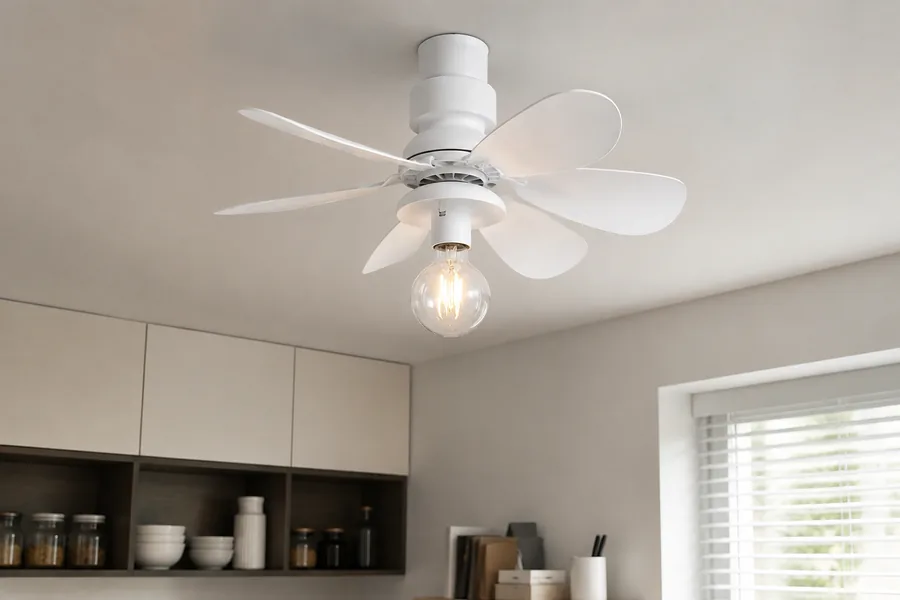
For a compact E27 fan light, the small format can make installation easier in bedrooms, kitchens, and rental rooms. You still need to confirm the rated holder type and installation instructions before you treat it as a universal replacement.
What should your sample report include?
Your sample report should include socket type, rated voltage, frequency, product weight, installation direction, holder compatibility notes, blade clearance, remote control check, light output check, and heat observation after operation. These are ordinary checks, but they prevent many avoidable returns.
For sample checking, use the ugliest real-world holder you expect the product to meet, not only a perfect new holder. Older sockets, shallow holders, decorative covers, and angled ceiling points can reveal problems that a clean bench test hides.
You should also test how the fan behaves after someone removes and reinstalls it. Socket products are more likely to be handled directly, so thread durability, straight alignment, and clear hand-tightening instructions matter more than they may seem in a catalog.
A useful field test is to install the sample in the same direction printed in the manual, then ask whether the product still looks level after running for several minutes. If the fixture leans, shakes, or needs improvised tightening, the compatibility story is not ready.
It is worth separating physical fit from country approval in your notes. Physical fit tells you whether the product can be installed; country approval tells you whether the exact version should be sold there at all.
Which Electrical Requirements Matter More Than the Socket Name?
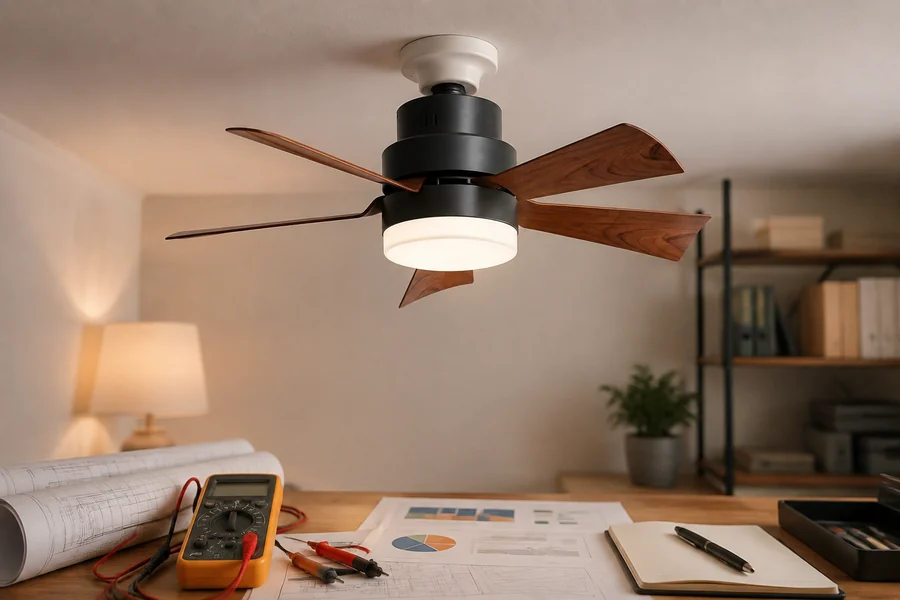
Why do voltage and frequency come before marketing copy?
Voltage and frequency decide whether the motor and driver are designed for the supply they will actually meet. A market may use 120V, 220V, 230V, or 240V, and frequency may be 50Hz or 60Hz. You can use public country voltage data as an early planning reference, then confirm the current local rule with your channel or certification partner.
For socket fan lights, do not write one global promise unless the product is actually designed, tested, and labelled for that range. If the SKU is single-voltage, the package, manual, listing, and carton should say so clearly.
How does frequency affect a small fan motor?
Frequency matters because motor behaviour, driver design, speed control, heat, and noise can change when a product moves from one supply environment to another. Some modern designs can be engineered for wide input, but that must be verified on the actual model. You should not assume it from appearance.
If you are preparing a multi-market order, ask whether the fan light uses a universal input driver and whether the motor control has been validated for both 50Hz and 60Hz operation. The answer should be documented, not only stated in chat.
What belongs on the rating label?
The rating label should match the product and market: socket type, voltage range, frequency, wattage or power information, model number, required marks, and applicable warnings. The label should also match the manual and packaging. Mismatched labels are a small detail that can create a large compliance problem.
Electrical planning should be written into the product brief before artwork starts. If the same housing will be sold in different electrical markets, each rating version needs its own label, manual line, and sample approval note.
The best way to avoid confusion is to build a small matrix for every target country. Put socket type, voltage, frequency, language, certification path, plug or adapter expectation, and warning notes in one place so the sales page and production file tell the same story.
For mixed-market sourcing, build the electrical requirement into the product name used internally. A clear internal name such as E27 220-240V 50Hz is less elegant, but it prevents the wrong artwork or manual from being attached later.
If the product family includes more than one base or voltage version, use a consistent internal naming rule. That small discipline saves time when artwork, manual, and label files move between teams.
How Do Market Requirements Change Your E26 or E27 SKU Plan?
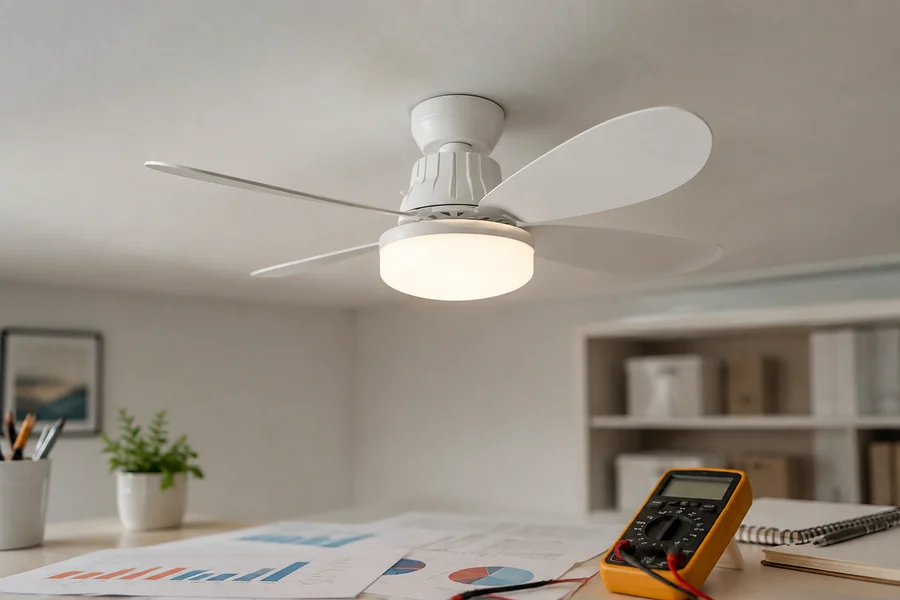
Why should you avoid one SKU for every country?
One SKU looks efficient, but it can create confusion when countries expect different socket bases, voltage ratings, warning language, certification marks, and package information. A better plan is to group markets by electrical and compliance requirements, then build SKU families around those groups. In practice, that means the product body may stay similar while the market file changes in a controlled way.
This is especially important when you sell through retail, marketplace, and project channels at the same time. The same product body may be acceptable, but the label, manual, barcode, carton, and listing claims may need different versions. The channel wants one product story; the paperwork has to make that story believable.
Which market details are easy to overlook?
The easy-to-miss details are not glamorous: carton marks, manual language, socket warning, spare remote pairing steps, battery notice, plug or adapter note, and warranty contact format. These details rarely appear in short competitor articles, but they influence whether the product can move smoothly through a channel. They also decide whether the product support team spends its time answering real product questions or correcting avoidable paper errors.
How should you compare NEBOLA options?
If you want an E27-led product direction, check whether the exact model can be configured for your destination market. If you need a more familiar ceiling fixture appearance, a clean white fixture may fit channels where shoppers expect a fixed ceiling fan rather than a bulb-style fan.
Market grouping also helps you avoid overloading one listing with too many claims. A listing that tries to speak to every country can become less clear for everyone. A tighter market version usually reads better and gives your channel fewer questions to answer.
If you are testing several markets at once, keep the first launch conservative. Choose the markets where the socket, voltage, documentation, and packaging requirements are already clear, then expand after the first batch proves stable.
You should also decide how much localisation the package needs before launch. A product may share the same fan body across countries, but the front panel, warning panel, and manual can still need different wording to be credible.
When the channel is unfamiliar with socket fan lights, a simple comparison chart can make the decision easier. People often need help seeing that the base name alone is not enough.
NEBOLA Socket Fan Light Support
Need help matching E26 or E27 socket fan lights?
Send us your target market, socket type, voltage requirement, and preferred product style. We can help you compare socket fan light directions before you lock the SKU.
What Certifications and Documents Should You Confirm?
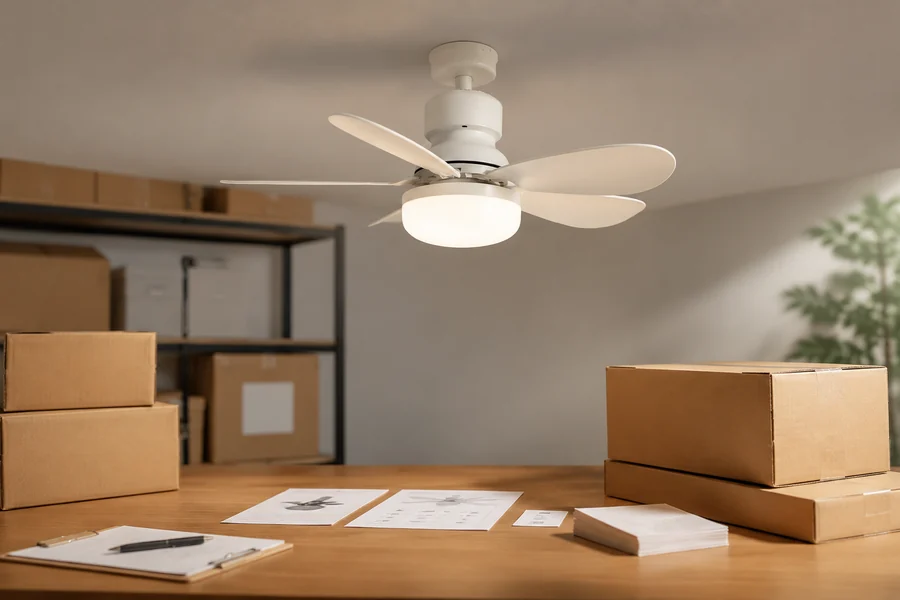
Which files should match the exact model?
Ask for test reports, certificates, rating-label artwork, instruction manual, component list, packaging artwork, and production version photos for the exact model you plan to buy. Similar-looking models are not enough. Small changes to driver, motor, LED board, remote receiver, or housing can affect the file set. If the supplier hesitates at this stage, that is already a useful signal about how hard future reorders may be to manage.
If the product is changed for E26 or E27, treat that as a document review point. The socket base, electrical rating, label, and manual should all match the version you ship.
Why should certificates and labels be checked together?
A certificate is helpful only when it lines up with the model, electrical rating, factory, and product construction. The label is what inspectors, retailers, and customers see first. If the certificate says one rating while the label or manual says another, the product looks poorly controlled.
What should you not claim without proof?
Do not claim universal compatibility, certification coverage, silent operation, special energy performance, or long service life unless the exact product version supports it. In a socket fan light article, useful advice is stronger than unsupported promises.
Certification review should also include the accessory pack. Remote controls, batteries, adapters, screws, and printed instructions can all create document or packaging obligations. If an accessory changes, update the file record instead of assuming the fan light certificate covers everything.
I would also keep screenshots or PDFs of the final listing claims. When the product page promises compatibility, quietness, dimming, or market coverage, those claims should be traceable to a file or an approved editorial judgment.
Document review should include dates and revision numbers. If you only keep the latest PDF without version history, it becomes difficult to know which batch a customer or channel is asking about later.
If you are working with a distributor, show the market version and the non-market version side by side. That makes the difference feel concrete instead of theoretical.
How Should Packaging Explain E26 and E27 Compatibility?
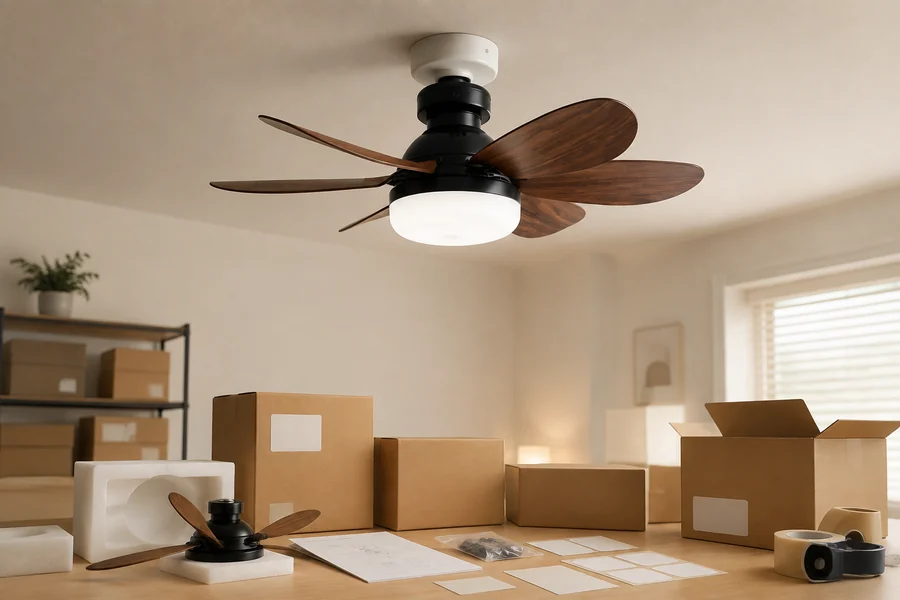
What should the front of the package make clear?
The front package should make the socket type and voltage direction easy to see. If you sell an E27 ceiling fan light, the shopper should not need to open the manual to discover whether it fits the home socket. Clear packaging reduces wrong purchases and support messages.
Use plain wording, simple icons if allowed, and consistent model naming. Avoid a package that says E26/E27 loosely unless the product is genuinely approved and labelled for both intended uses.
Which warnings belong near installation steps?
Installation warnings should explain that the socket and ceiling point must support the product, power should be turned off before installation, and the product should not be used in unsuitable damp, enclosed, or unstable locations unless the model is rated for them. The wording should match the market language.
How can packaging reduce after-sales issues?
Good packaging answers the questions people ask before they return a product: Does it fit my socket? What voltage does it need? Can I use it in this room? How do I pair the remote? What clearance does it need? If the package answers those clearly, your support team has fewer avoidable problems.
Packaging is where many socket fan light problems become visible to customers. If the socket type is hidden in small print, people may buy the wrong version. If the voltage is unclear, the product can move into a market where it should not be installed.
The package should not feel like a legal wall of text, either. Put the highest-risk information in plain, easy-to-find language, then use the manual for the full installation steps, warnings, and troubleshooting details. A customer should be able to tell very quickly whether the product fits the socket, the room, and the power expectation.
For packaging, make the compatibility message easy to find from normal shelf distance or a marketplace thumbnail. If people need to zoom deeply to see the socket type, the listing is already creating avoidable friction.
A supplier can usually answer a lot faster when the question is written as a practical scenario. For example, ask whether the product can be used in a 220V 50Hz market with the exact holder shown in your sample photo.
How Should You Compare Samples Before Confirming Production?
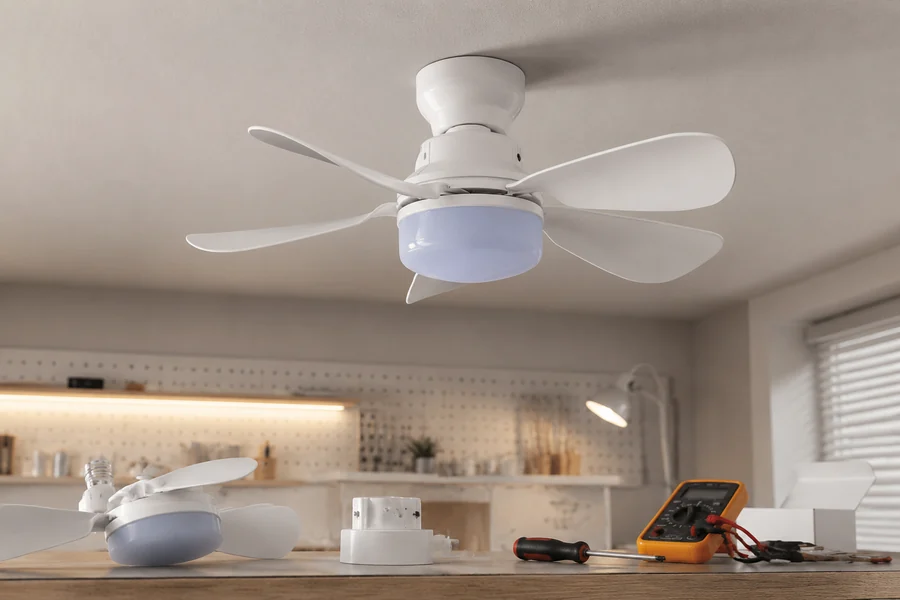
What should you run for at least one practical test?
Install the sample in a real socket holder, run the fan at each speed, switch the light on and off, test remote range, listen for vibration, and check temperature after a reasonable operating period. A socket fan light may pass a quick power-on test and still feel weak or unstable in real use.
Also compare the previous integrated LED guide if you are choosing between a bulb-style fan and a fixed integrated LED design. The maintenance logic is different, so the sample test should match the product type.
How should you record compatibility evidence?
Take photos of the installed sample, the rating label, the packaging label, and the lamp holder used in testing. Record the supply voltage, frequency, room temperature, operating time, and any noise or wobble. This gives you a practical evidence trail if a market question appears later.
What makes a sample ready for market review?
A sample is ready only when the product works, the documents match, the label is correct, the package is clear, and the installation feels realistic. If one of those pieces is still vague, hold the SKU until the gap is closed.
A practical sample test should include both normal use and misuse-adjacent checks. You do not need to encourage unsafe behaviour, but you should notice whether the product can be overtightened, installed crooked, or used in a holder that creates poor balance.
If a sample fails in one market holder but passes another, write that down. That result may not kill the product, but it can change the market, package warning, or recommended socket type.
A good sample report should include failures as well as passes. If one holder type feels unstable, that result helps you define where the product should not be sold, and that honesty often protects the whole program.
The compatibility story is strongest when it is short and specific. A tight claim is easier to defend than a broad claim that sounds impressive but cannot survive a real install.
How Should You Decide Between E26 and E27 for Your Next Order?
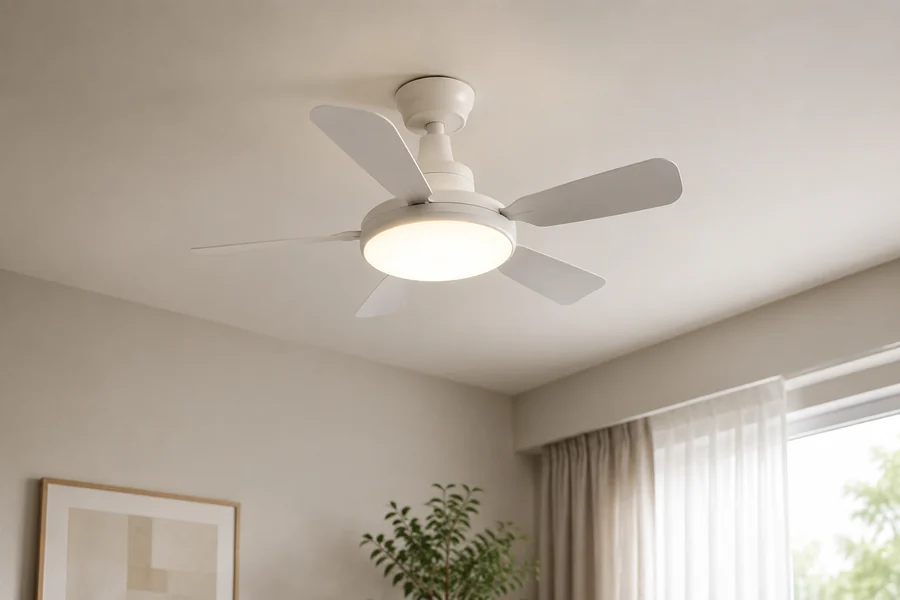
Which decision path is safest?
Start with the destination country, then confirm socket type, voltage, frequency, certification path, package language, and installation conditions. After that, compare product design, remote control, airflow strength, light quality, and expected after-sales support.
If you want one category page to compare options, revisit NEBOLA’s socket fan light range and build your shortlist from the market requirement backward. That way, the product is not only attractive; it is easier to approve, explain, and support.
When should you keep E26 and E27 separate?
Keep them separate when the market rating, certification file, instruction language, or retailer requirement differs. Shared product bodies can still be useful, but SKU separation keeps the compliance and listing story cleaner.
What should you confirm before the purchase order?
Before the purchase order, confirm final model number, socket base, voltage, frequency, label artwork, manual version, carton marks, test documents, packaging photos, and sample approval notes. That list feels detailed, but it is much easier than fixing the wrong socket story after shipment.
The final decision should feel boring in a good way. You should know the base type, electrical rating, label wording, market scope, sample behaviour, package message, and document trail before the purchase order is signed.
If any part of that chain feels like a guess, slow down and verify it. Socket fan lights can be strong products, but only when the easy-install promise is backed by a precise compatibility plan.
The final order should not depend on memory. Put the approved socket, voltage, frequency, label, manual, package, and certificate list in one handoff record so production and sales can use the same source of truth.
Once the market rule is clear, it becomes much easier to plan the next articles in the cluster. You can move from socket base to product structure, then to packaging and market requirements without repeating the same explanation.
NEBOLA Socket Fan Light Support
Ready to compare socket fan light options?
Send NEBOLA your room use, socket base, voltage market, and packaging needs. We can help you shape a clearer sample and document checklist.
FAQ
Is E26 the same as E27 for socket fan lights?
No, they are close in size, but you should not treat them as the same for socket fan lights because voltage, frequency, holder fit, labelling, and certification requirements can differ by market.
Can an E27 ceiling fan light be used in an E26 socket?
No, not unless the exact product is designed, rated, tested, and approved for that use. Physical threading alone does not prove safe or compliant operation.
Should you choose socket type before voltage?
No, you should check both together. Socket type helps with physical compatibility, while voltage and frequency decide whether the electrical design matches the market.
Is an E27 socket fan light better for 220-240V markets?
Yes, it is often the more familiar direction in many 220-240V markets, but you still need to confirm the country requirement and product rating before shipping.
Do socket fan lights need special packaging notes?
Yes, the package should clearly show socket type, voltage, use limits, installation warnings, remote instructions, and the exact model information.