

Bedroom lighting design is not only about choosing a pretty fixture. The best bedroom lighting ideas help the room feel bright enough in the morning, gentle enough at night and comfortable enough for reading, dressing and relaxing.
This guide explains how to plan bedroom ceiling lights, bedside lighting, LED ceiling fan size, colour temperature, dimming, accent lighting and fixture placement for a modern home.
1. What Should Bedroom Lighting Do First?
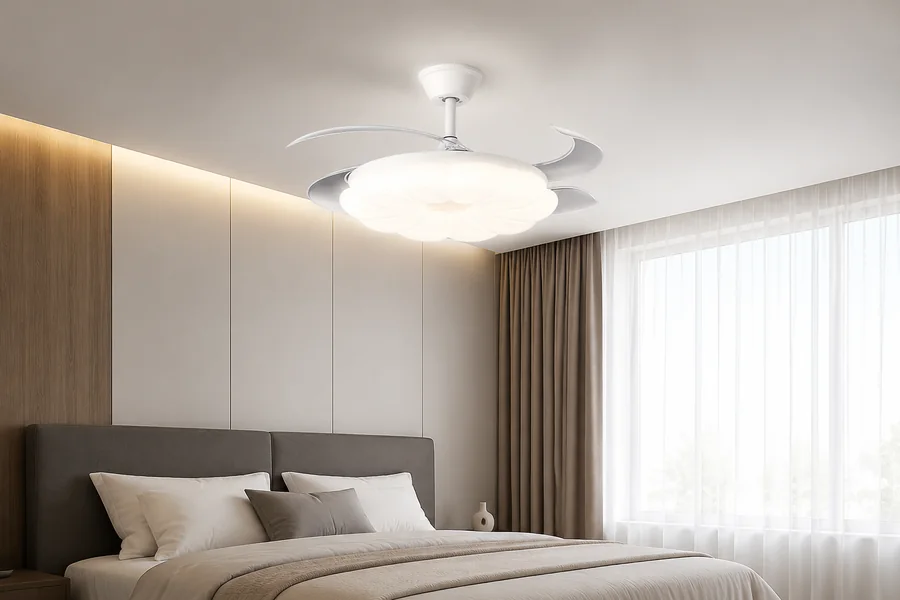
Bedroom lighting should support the way people move through the room. It should help the room shift from practical daytime use to calm night-time rest.
1-1. Why is bedroom lighting different from living room lighting?
Living rooms often need social lighting and flexible brightness for many people. Bedrooms are more personal. The light should support dressing, reading, relaxation and sleep preparation without feeling harsh.
A bedroom also has more moments when the user is lying down. That means glare control matters. A ceiling fixture that looks fine from the doorway may feel uncomfortable when viewed from the bed.
1-2. What should be avoided?
Avoid a single harsh overhead light, cool blue-white light at night, visible LED dots, strong glare from the bed and controls that are hard to reach. These problems can make a beautiful bedroom feel tiring.
Modern lighting should feel quiet. The fixture, fan light, wall lamp and bedside lamp should work together instead of competing for attention.
2. How Should You Layer Bedroom Lighting?
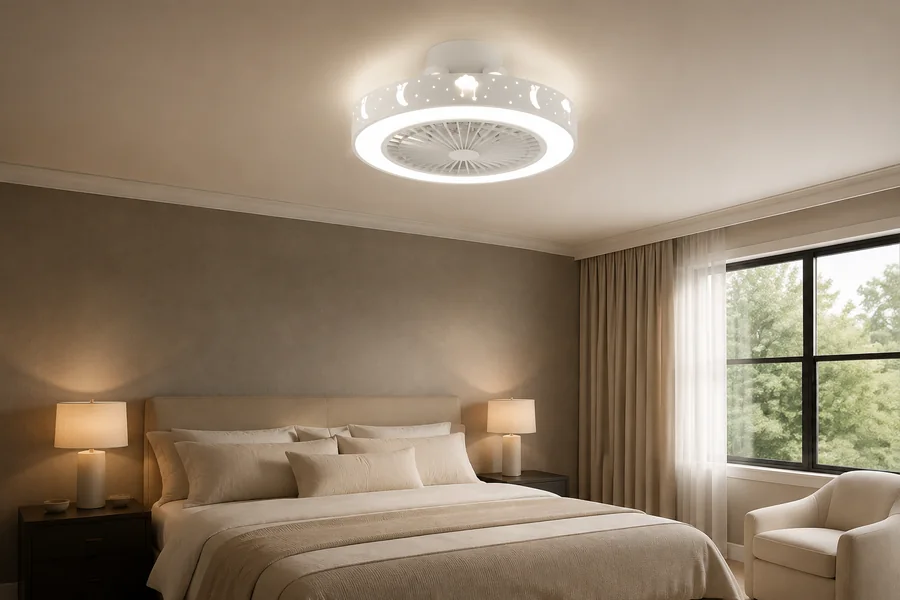
Layering is the easiest way to make a bedroom feel polished. Instead of one light doing everything, each layer has a specific job.
2-1. What are the three core lighting layers?
The three core layers are ambient light, task light and accent light. Ambient light gives general brightness, task light supports reading and dressing, and accent light adds warmth or depth.
When these layers are separate, the room becomes more flexible. You can clean with brighter light, read with focused light and relax with soft low light.
2-2. How should ceiling fan lights fit the layers?
A ceiling fan with light is usually part of the ambient layer. It should fill the room gently, not act as a spotlight. A soft diffuser, dimming and warm colour options make the fixture more suitable for sleep spaces.
For larger bedrooms, an ultra-thin 52 inch LED fan can combine airflow and soft ceiling light without needing a separate central light.
3. What Bedroom Ceiling Lights Work Best?
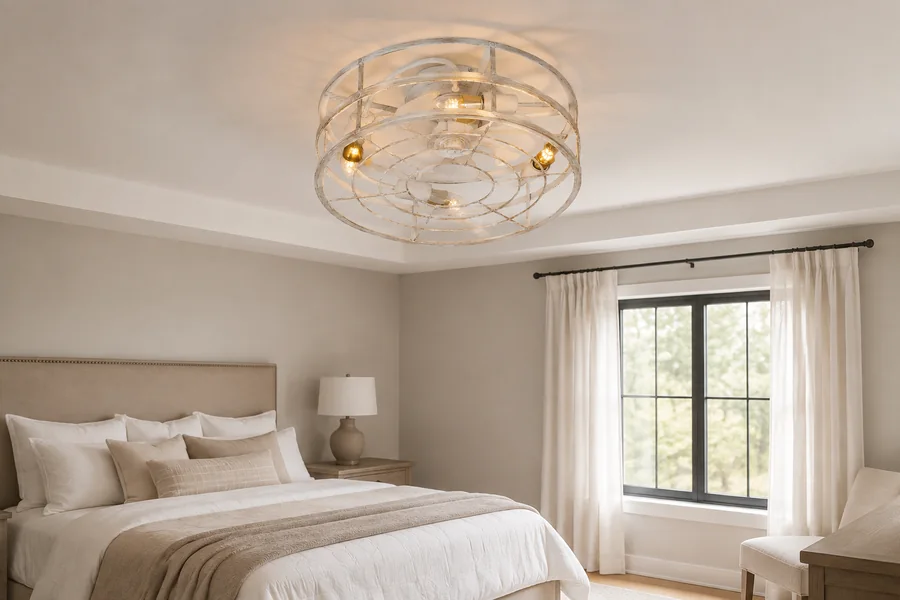
Bedroom ceiling lights should match the room size, ceiling height and style. The fixture should feel useful without making the ceiling look crowded.
3-1. Are flush mount lights better for low ceilings?
Yes, flush mount lights are usually better for low ceilings because they keep the fixture close to the ceiling plane. This helps the room feel taller and reduces the chance of a fixture hanging awkwardly above the bed.
If the room also needs air movement, a low-profile fan light can be more practical than choosing a ceiling light first and then trying to add airflow later.
3-2. When do decorative ceiling fixtures work?
Decorative ceiling fixtures work best when the bedroom has enough height and simple surrounding details. A dramatic fixture above a bed can look beautiful, but it should not create glare or block movement.
A luxury gold wood fandelier can suit a larger bedroom where lighting, airflow and decorative value are all part of the design brief.
4. How Bright Should Bedroom Lighting Be?
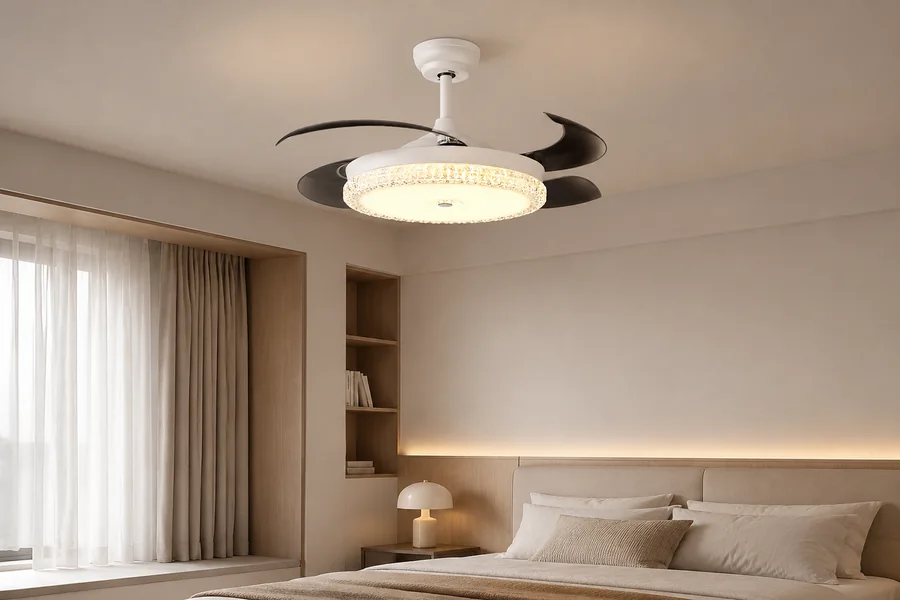
Brightness should change by activity. A bedroom that is bright enough for cleaning may be too bright for evening relaxation.
4-1. Should bedrooms use dimmable lights?
Yes, bedrooms should use dimmable lights whenever possible. Dimming helps one room support morning routine, evening reading and night comfort without changing fixtures.
Choose controls that are easy to reach from the entry and the bed. A remote or wall control can make a ceiling fan light more useful because the user can adjust brightness without standing up.
4-2. How can glare be reduced?
Use diffusers, shaded lamps, indirect light and lower brightness near the bed. Avoid exposed LED chips or clear glass bulbs pointing directly at the sleeping position.
Lighting guidance from CIBSE highlights the importance of appropriate light levels and visual comfort in buildings; its lighting top tips are a useful external reference when thinking beyond decoration.
5. What Colour Temperature Is Best for Bedrooms?
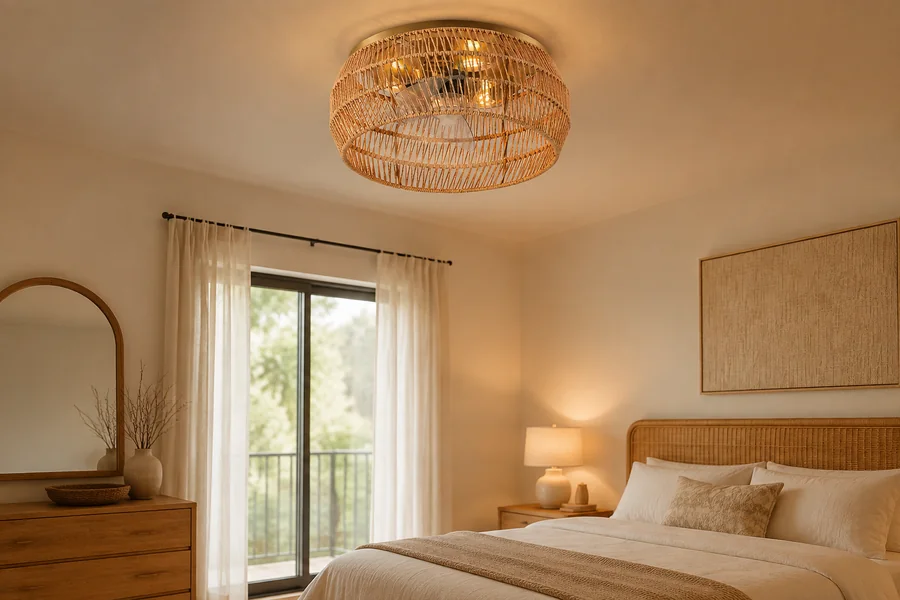
Colour temperature changes how a bedroom feels. It can make the same room look cosy, neutral or cold.
5-1. Is warm light better at night?
Yes, warm light is usually better at night because it feels softer and less stimulating. Many bedrooms work well with warm white light for evening use and slightly clearer neutral light for dressing.
If the fixture offers adjustable CCT, users can choose warmer light at night and cleaner light in the morning. This is useful in bedrooms that also serve as wardrobes or work corners.
5-2. Should all bedroom lights match?
Not perfectly, but they should feel related. If the ceiling light is warm, the bedside lamps should not be sharply cool. Large differences in colour temperature can make the room feel mismatched.
For project buyers, specify the CCT range clearly. Ask whether the fan light remembers the last setting, because memory functions can make daily use much smoother.
Need the Right Ceiling Fan for a Home, Project, or Commercial Space?
Tell us your space type, ceiling height, airflow needs, lighting options, certification direction, and order plan. We’ll help match the right solution.
Get a Quote6. Where Should Bedside Lights Be Placed?
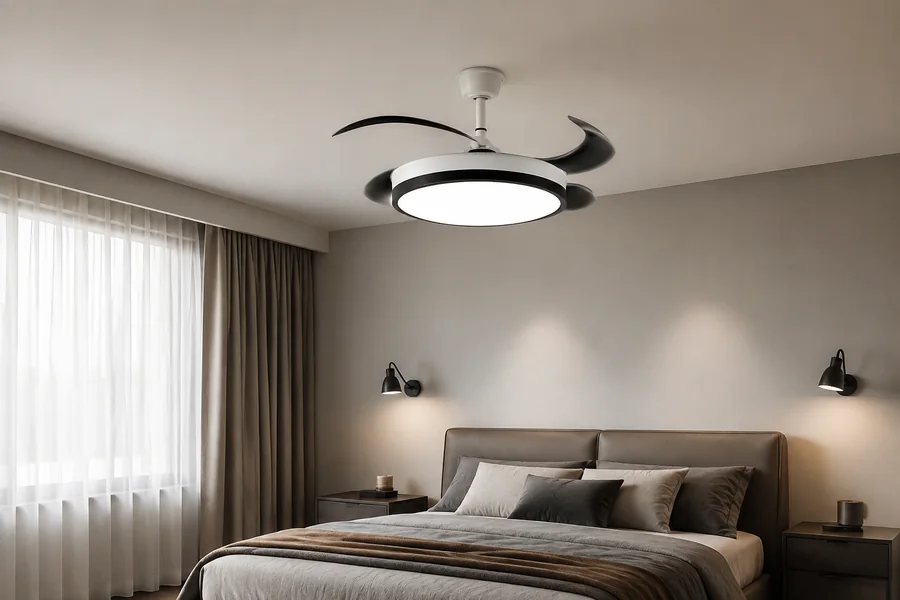
Bedside lighting is one of the most used parts of a bedroom. It should be comfortable from the bed, not only attractive in photos.
6-1. Are wall lights better than table lamps?
Wall lights can be better in small bedrooms because they free the bedside table and keep the light position stable. Table lamps are more flexible and softer, but they need enough surface space.
The best choice depends on bed height, headboard shape, switch location and reading habits. The shade or beam should light the page without shining into the eyes.
6-2. How high should bedside lights feel?
The light source should usually sit around shoulder to eye level when the user is sitting in bed. Too high can glare; too low can create shadows.
For shared bedrooms, each side should have individual control. One person should be able to read while the other rests.
7. Can Accent Lighting Improve a Bedroom?
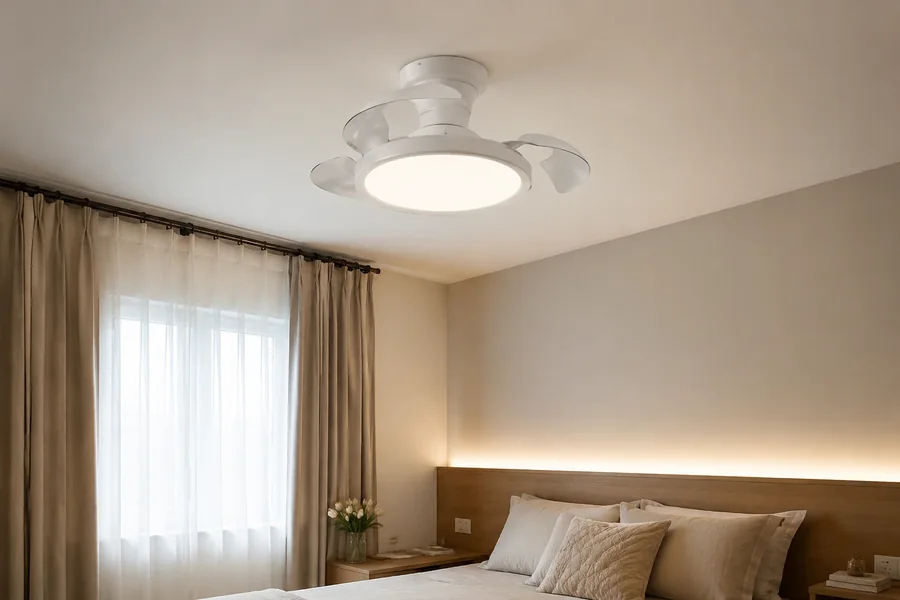
Accent lighting can make a bedroom feel more considered, but it must stay subtle. Too much accent lighting can make the room feel like a showroom rather than a restful space.
7-1. Where does accent lighting work best?
Accent lighting works well behind headboards, under floating shelves, inside wardrobes, along a ceiling cove or behind a dressing mirror. It should add depth rather than become the main light.
Use warm, low-output light for accent zones. Strong coloured LEDs can look distracting and may date quickly.
7-2. Should accent lighting be visible?
No, the light source should usually be hidden. The effect should be visible, but the strip, dots or wiring should not be the focus.
If a ceiling fan light is already decorative, keep accent lighting simpler. Too many focal points on the ceiling and walls can make the room feel busy.
8. How Should Fan Lights Be Sized for Bedrooms?
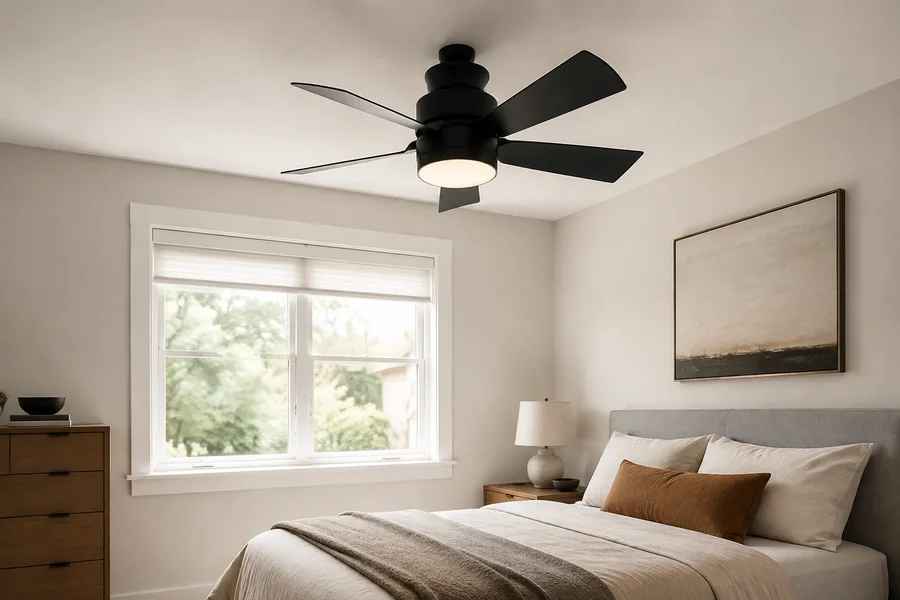
Fan light dimensions matter because the fixture affects both airflow and lighting. The right choice depends on blade span, body depth, diffuser width and ceiling height.
8-1. Should fan light size follow room size?
Yes, fan light size should follow room size, but not room size alone. A small bedroom may need a compact flush fan light, while a large bedroom may need a wider fan with stronger airflow and softer light distribution.
For narrow bedrooms, avoid large decorative fan lights that sit too low. For large bedrooms, avoid tiny fan lights that leave corners dark and move too little air.
8-2. What dimensions should buyers check?
Check blade span, total fixture height, canopy or flush body depth, diffuser diameter, light output and remote-control functions. These dimensions are more useful than product photos alone.
For compact rooms that still need a strong design statement, a small modern dimmable fan light can work when the body depth and light output match the room.
9. What Bedroom Lighting Mistakes Should Be Avoided?
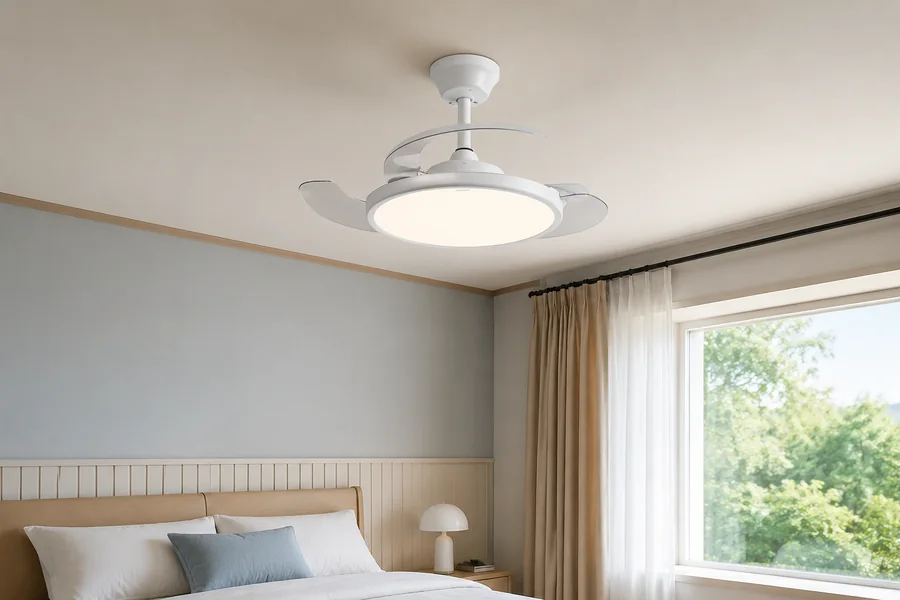
Most bedroom lighting mistakes come from choosing a fixture before planning the room. The light should serve the layout, not fight it.
9-1. Is one bright ceiling light a mistake?
Yes, one bright ceiling light is usually a mistake for bedrooms. It may help with cleaning, but it does not support reading, night movement or relaxing before sleep.
Layered light gives the user more control. Even a simple room can feel much better with a dimmable ceiling light, bedside lamps and a low night light.
9-2. Can decorative fixtures create practical problems?
Yes, decorative fixtures can create problems if they are too low, too bright, hard to clean or poorly matched to the bed position. A fixture should look good from the door and feel comfortable from the bed.
For fan lights, also check blade clearance and motor noise. A beautiful fan that hums at night is not a good bedroom choice.
10. What Final Bedroom Lighting Plan Works for a Modern Home?
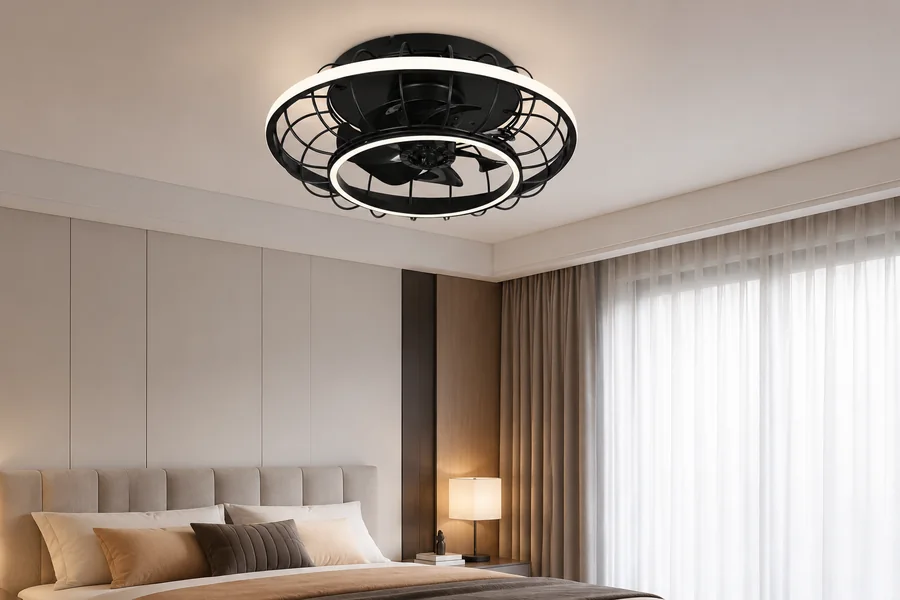
A strong bedroom lighting plan is simple, flexible and comfortable. It lets the room change mood without changing the whole design.
10-1. What should homeowners specify before buying?
Specify room size, ceiling height, bed position, wardrobe location, switch positions, desired brightness, colour temperature, dimming method and whether airflow is needed. These details prevent buying a fixture that looks good online but performs poorly in the room.
If the ceiling fan light is the main fixture, ask for lumen output, diffuser material, CCT options, fan speed levels, timer function and total installed height.
10-2. What should project buyers confirm?
Project buyers should confirm lighting consistency across rooms. One batch should have stable colour temperature, reliable drivers, consistent finish and clear packaging. Spare remotes, LED parts and installation instructions matter for after-sales service.
NEBOLA can help buyers match bedroom ceiling lights and fan lights by room size, lighting output, airflow need, style direction and OEM/ODM project requirements.
Need the Right Ceiling Fan for a Home, Project, or Commercial Space?
Tell us your space type, ceiling height, airflow needs, lighting options, certification direction, and order plan. We’ll help match the right solution.
Get a QuoteFAQ
Is warm white light usually best for bedrooms?
Yes, warm white light is usually best for bedrooms because it feels softer and more relaxing in the evening. Some bedrooms also benefit from adjustable colour temperature so the room can feel clearer in the morning and warmer at night.
Should bedroom lighting use more than one layer?
Yes, bedroom lighting should use more than one layer. Ambient light, bedside task light and low accent or night light give the room flexibility for dressing, reading, relaxing and sleeping.
Can a ceiling fan with light replace a bedroom ceiling light?
Yes, a ceiling fan with light can replace a bedroom ceiling light when the fan is correctly sized and the light output is soft enough for the room. It should include dimming or comfortable colour options if it is the main light source.
Is cool white lighting suitable for bedrooms at night?
No, cool white lighting is usually not ideal for bedrooms at night because it can feel too sharp and stimulating. It may be useful for dressing or cleaning, but warmer dimmed light is usually better before sleep.
Should bedside lights be controlled separately?
Yes, bedside lights should ideally be controlled separately, especially in shared bedrooms. Separate control allows one person to read or relax without disturbing the other.
Are decorative bedroom ceiling lights always practical?
No, decorative bedroom ceiling lights are not always practical. They can create glare, hang too low, collect dust or clash with the bed position, so the fixture should be checked for comfort as well as appearance.