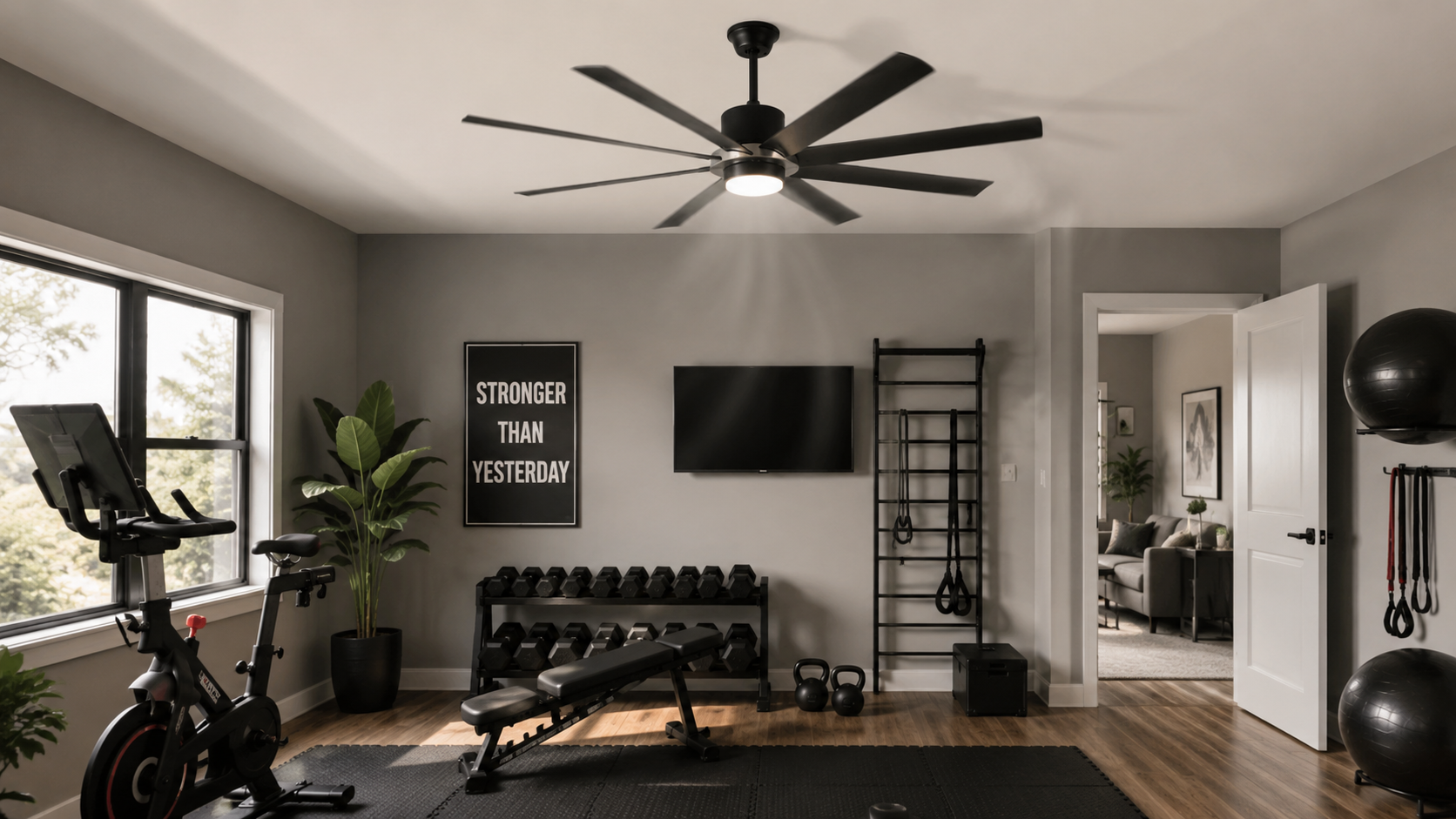


Choosing between a ceiling fan light and a ceiling light is not only a style decision. In many homes, hotels, offices, restaurants, and commercial rooms, the fixture also affects airflow, lighting comfort, ceiling layout, energy use, and long-term maintenance. If you are comparing options for a wider project, this commercial ceiling fans guide can help you think beyond appearance and look at room function first.
A ceiling light gives illumination. A ceiling fan light gives illumination plus air movement, but it also needs more careful planning because the motor, blades, light module, controls, height, and noise level all work together. NEBOLA often sees buyers choose a fixture too quickly because the product looks attractive online, then discover later that the room still feels stuffy, the light is too weak, or the fan hangs too low.
1. What Is the Real Difference?
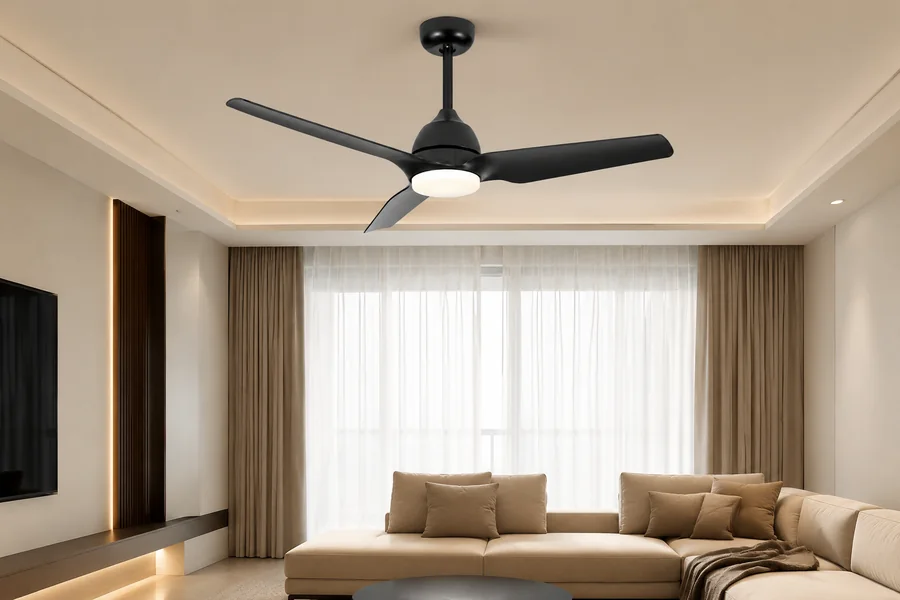
A ceiling light is a lighting fixture. A ceiling fan light is a combined comfort fixture that adds air circulation to the lighting function. That simple difference changes how you should compare the two.
The question is not whether one product is always better. The better question is whether the room only needs light, or whether it also needs softer air movement, temperature support, and fewer ceiling fixtures.
1-1. A ceiling light solves lighting first
A standard ceiling light is usually easier to select because the main factors are brightness, colour temperature, beam spread, fixture depth, and design. It can work well in rooms where airflow is already handled by HVAC, windows, or another fan.
For corridors, storage rooms, small bathrooms, and compact utility areas, a ceiling light may be the cleaner answer. In these rooms, adding blades and a motor can create unnecessary visual weight.
1-2. A ceiling fan light solves two needs at once
A ceiling fan light combines air movement and illumination in one ceiling position. This can reduce ceiling clutter in bedrooms, hotel rooms, rental apartments, offices, and dining areas where both comfort and lighting matter.
The extra function also adds extra checks. You need to consider blade span, motor type, noise, mounting height, light output, control method, and future service access.
1-3. The better choice depends on the room
If the room feels still, warm, or dependent on air-conditioning, a ceiling fan light may give more daily value. If the room only needs bright fixed lighting, a ceiling light may be simpler and less expensive.
For commercial projects, the decision should be made by room type rather than by one general preference. A hotel guest room, restaurant booth area, and back-office corridor do not need the same fixture logic.
2. Fan Light Benefits That Ceiling Lights Cannot Provide
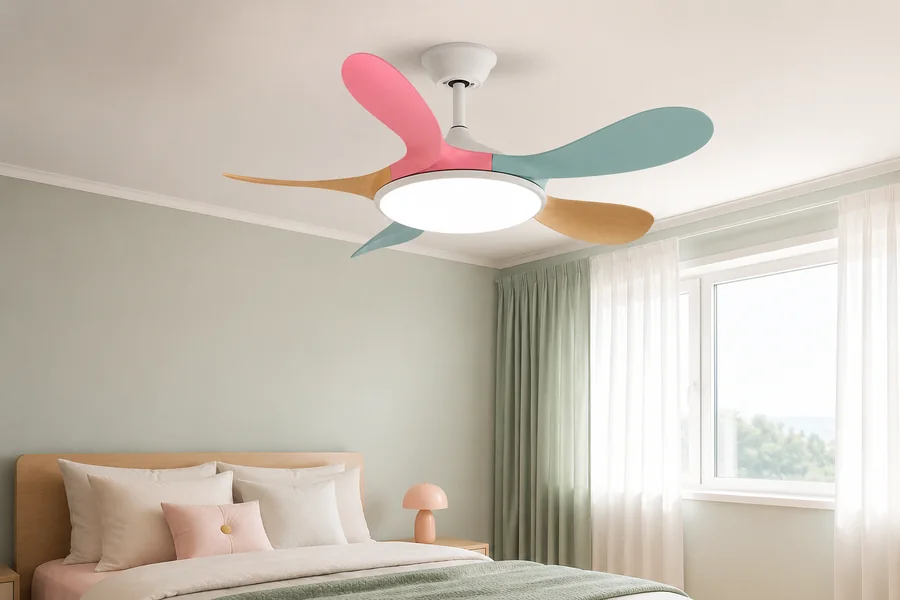
The main fan light benefits come from comfort. A ceiling fan light can move air, reduce the feeling of stuffiness, and support a more flexible indoor environment while still providing general lighting.
This is why the comparison matters for projects where users stay in the room for a long time. A lighting-only fixture can look good, but it will not change how the air feels.
2-1. Air movement improves everyday comfort
A fan light can make a room feel fresher even when the temperature has not changed much. Gentle air movement helps people feel more comfortable in bedrooms, living rooms, hotel rooms, lounges, and dining spaces.
This does not mean the fan should blow strongly. The best comfort comes from quiet, low-speed circulation that users can keep on for hours without feeling direct wind.
2-2. It can support HVAC use
A ceiling fan light does not replace air-conditioning or ventilation, but it can support comfort by mixing room air more evenly. In larger spaces, this can reduce hot spots, stagnant corners, and uneven temperature feel.
The article on how to choose ceiling fans for large spaces is useful here because large rooms often need airflow zoning rather than just more lighting.
2-3. One fixture can reduce ceiling clutter
In compact rooms, one combined fan-and-light fixture can look cleaner than separate lighting and a separate fan. This matters in apartments, small bedrooms, offices, and hospitality projects where ceiling space is limited.
A product such as an Ultra Thin Ceiling Fan White Modern 52 Inch LED DC Motor can suit rooms that need a clean ceiling profile, integrated LED lighting, and practical airflow in one product.
3. When a Ceiling Light Is Still the Better Choice
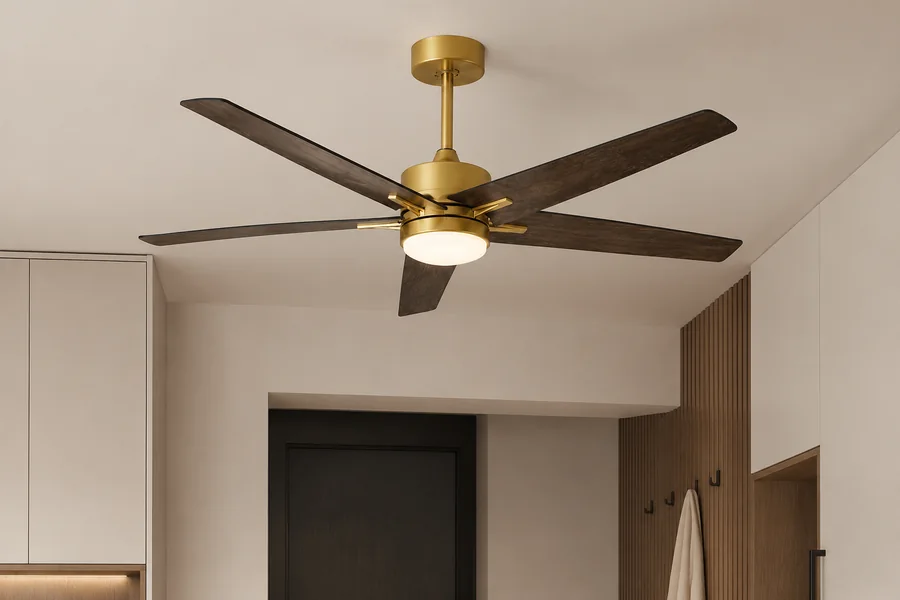
A ceiling fan light is not the correct answer for every room. Sometimes a simple ceiling light is better because the space does not need air movement, or because the ceiling conditions make a fan difficult to install safely.
This is where buyers need to be honest about real use. If the fan function will rarely be used, the extra motor, controls, and installation work may not add enough value.
3-1. Very small rooms may not need blades
Tiny rooms, closets, short corridors, and small entries usually need lighting more than airflow. A ceiling fan light may look cramped in these spaces, especially if the ceiling is low or the room is narrow.
In these cases, a ceiling light keeps the ceiling simple. It is also easier to clean, replace, and match with other fixtures.
3-2. Some rooms need stronger task lighting
Kitchens, workrooms, clinics, and service counters may need focused lighting with accurate brightness and colour rendering. A fan light can help with general lighting, but it may not replace dedicated task lights.
If the room depends on precise lighting, choose the light plan first. Then decide whether a fan light can support that plan without causing moving shadows or glare.
3-3. Low or complicated ceilings need extra checks
Low ceilings, beams, sloped ceilings, sprinklers, and exposed ducts can make fan placement harder. A ceiling light is often easier in these conditions because it has less moving clearance risk.
If you still want a ceiling fan light, confirm blade clearance, fixture depth, and mounting structure before choosing the model. A good-looking fan is not useful if it cannot be installed safely.
4. Lighting Quality: Ceiling Fan Light vs Ceiling Light
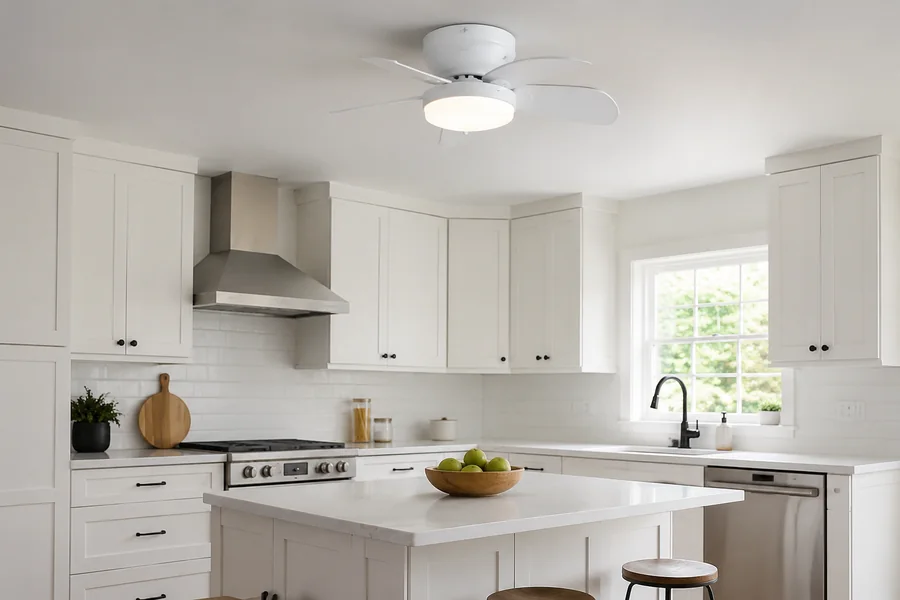
Lighting quality can decide whether a room feels comfortable or unfinished. A ceiling light usually gives more fixture variety, while a ceiling fan light must balance lighting performance with motor and blade design.
For buyers comparing ceiling fan light vs ceiling light options, the light module should not be treated as an afterthought. Weak lighting is one of the most common reasons users feel disappointed after installation.
4-1. Check brightness and colour temperature
For a ceiling fan light, check lumen output, wattage, colour temperature options, and dimming function. A fan light may look stylish but still feel too dim for a living room, office, or hotel room.
Ceiling lights often offer more specialised lighting options. Fan lights are improving quickly, but buyers should still confirm the exact LED output before ordering.
4-2. Avoid glare and moving shadows
Fan lights need careful optical design because the light sits near moving blades. Poorly designed fixtures may create glare, shadow movement, or uneven light when the fan runs.
For bedrooms and hospitality rooms, soft diffused LED lighting is usually more comfortable than harsh brightness. In restaurants, avoid light that makes tables feel exposed or creates distracting reflections.
4-3. Match lighting to room mood
A fan light for a bedroom should feel soft and calm. A fan light for a restaurant should support the dining mood. A fan light for an office should avoid glare and help people focus.
This is why project buyers should compare lighting by application, not only by wattage. The same LED specification can feel different in a hotel room, dining area, and commercial workspace.
5. Airflow, Thermal Comfort, and Room Experience
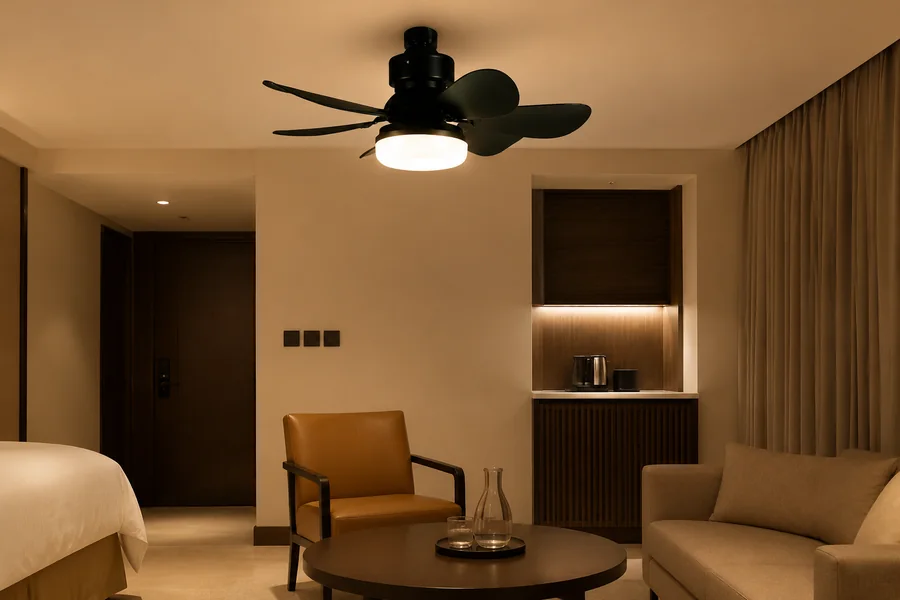
Ceiling lights do not move air, so they cannot help with air circulation. Ceiling fan lights can change the room experience by adding controlled air movement, especially in rooms where people sit, sleep, eat, or work for long periods.
ASHRAE explains thermal comfort as the result of several environmental and personal factors, including air speed. That is why a fan light can influence comfort even though it is not an HVAC system.
5-1. Air speed should feel gentle
More airflow is not always better. In bedrooms, hotel rooms, and restaurants, strong wind can feel unpleasant, move papers, cool food, or disturb sleep.
A good ceiling fan light should offer several speed settings so users can keep airflow gentle. Low-speed performance is often more important than maximum speed.
5-2. Fan placement changes comfort
A fan light works best when placed over the main comfort zone. In a bedroom, that may be near the bed centre. In a restaurant, it may be above a table group. In an office, it may be above the working area.
If the fixture is placed only by ceiling symmetry, it may miss the real use zone. This is especially important in commercial interiors where furniture layout drives comfort.
5-3. Airflow should support the room, not dominate it
The best fan light benefits are quiet and almost invisible in daily use. People should feel the room is easier to stay in, not feel that a machine is constantly blowing at them.
For hotels and hospitality spaces, the article on best ceiling fans for hotels explains why quiet comfort matters more than dramatic airflow.
Need the Right Ceiling Fan for a Home, Project, or Commercial Space?
Tell us your space type, ceiling height, airflow needs, lighting options, certification direction, and order plan. We’ll help match the right solution.
Get a Quote6. Installation, Control, and Maintenance
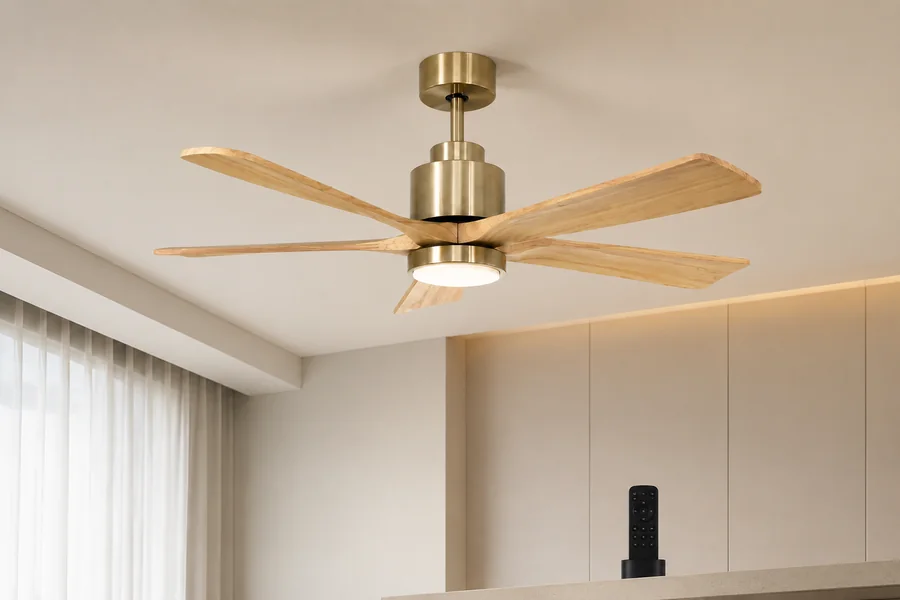
A ceiling light is usually simpler to install and maintain. A ceiling fan light needs stronger mounting, correct wiring, safe clearance, and reliable controls because it includes moving parts.
This does not make fan lights difficult, but it does mean the buyer should treat them as electrical appliances, not only decorative fixtures.
6-1. Ceiling fan lights need secure mounting
The mounting point must support fan operation, not just the weight of a light fixture. Vibration, rotation, and long daily use all place extra demands on installation.
For commercial projects, installers should confirm ceiling structure, junction box suitability, downrod length, blade clearance, and local electrical standards before purchase.
6-2. Controls should be easy to use
A ceiling light may only need a wall switch. A fan light may need separate light and fan controls, remote control, wall control, app control, or smart control depending on the room.
For hotels, offices, and rental properties, simple controls are better than complicated ones. Users should not need to learn a system just to adjust light or airflow.
6-3. Maintenance access matters
Fan lights need occasional cleaning, screw checks, remote battery changes, and possible LED or driver service. If the fan is mounted too high or in a difficult area, maintenance becomes more costly.
A Modern Retractable Ceiling Fan with Light can be useful in rooms where the buyer wants airflow when needed and a cleaner ceiling look when the fan is off, but the mechanism and service needs should still be checked.
7. Residential vs Commercial Decision Logic
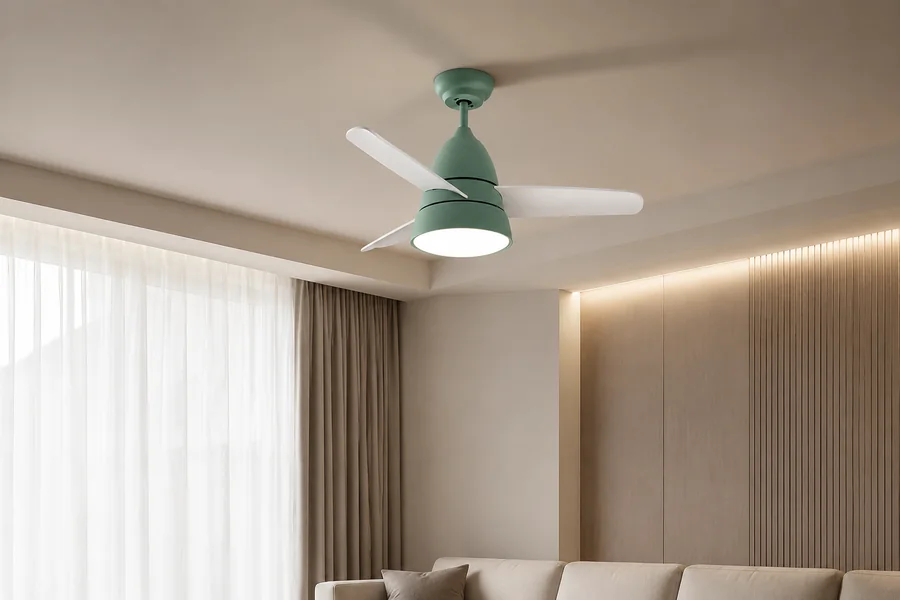
Homes and commercial spaces do not choose ceiling fan lights for the same reasons. Residential users often focus on comfort, style, and convenience. Commercial buyers also need durability, consistent supply, installation repeatability, and easier after-sales support.
The article on commercial vs residential ceiling fans gives a deeper comparison of this difference. It is useful when deciding whether a normal home fan light is enough for a project.
7-1. Homes need flexible comfort
In homes, a ceiling fan light often works best in bedrooms, living rooms, dining rooms, and apartments. It gives users one fixture for air circulation and general lighting.
For a room that already has wall lamps or downlights, a fan without a light may also be enough. A 52 Inch Wood Ceiling Fan No Light Supplier option can suit interiors where separate lighting is already planned.
7-2. Hotels need quiet and intuitive operation
Hotel rooms need fan lights that guests can understand quickly. The product should feel quiet, stable, and easy to control, with lighting that supports rest rather than only brightness.
For hotel buyers, a ceiling fan light can reduce the number of visible ceiling fixtures. It can also improve guest comfort in warm regions or rooms where air-conditioning alone feels too dry.
7-3. Restaurants and offices need zoning
Restaurants and offices should not use one fixture rule for every room. Dining areas, private rooms, reception zones, meeting rooms, and open workspaces each need different airflow and lighting needs.
For larger or open commercial interiors, a Large Ceiling Fan Industrial Warehouse 70 Inch LED can be considered when ceiling height, room scale, and project requirements support a wider fan.
8. Common Buying Mistakes
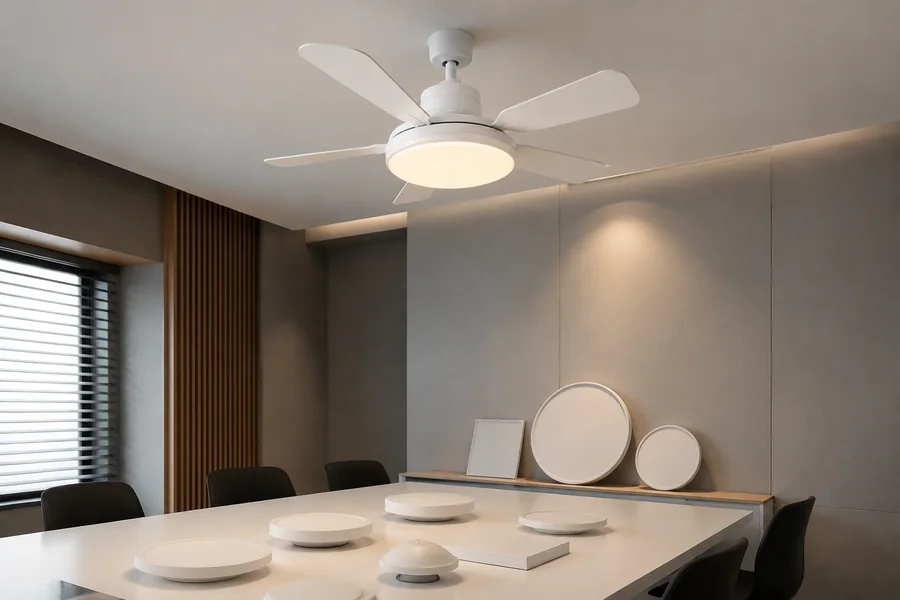
Many buyers compare ceiling fan light vs ceiling light products only by price or appearance. That can create disappointment after installation because the fixture may not match the real room conditions.
The best choice should come from the room plan. Size, light output, airflow, ceiling height, noise, and control method should all be checked before final purchase.
8-1. Choosing a fan light only for style
A stylish fan light can still perform poorly if the LED is weak, the motor is noisy, or the blade span does not match the room. Product photos rarely show these problems.
Always check specifications. Look for fan size, motor type, light wattage, colour temperature, speed settings, and warranty terms before ordering.
8-2. Ignoring ceiling height
Ceiling height affects both safety and comfort. A fan light that hangs too low can feel intrusive, while one mounted too high may not move useful air.
For low ceilings, fixture depth is as important as blade span. For high ceilings, downrod planning becomes part of the product decision.
8-3. Forgetting long-term replacement needs
A ceiling light may be easier to replace later. A fan light may require matching parts, remote controls, LED modules, drivers, or motor service.
Project buyers should ask suppliers about spare parts, production continuity, packaging, after-sales terms, and model replacement plans before bulk orders.
9. Which One Should You Choose?
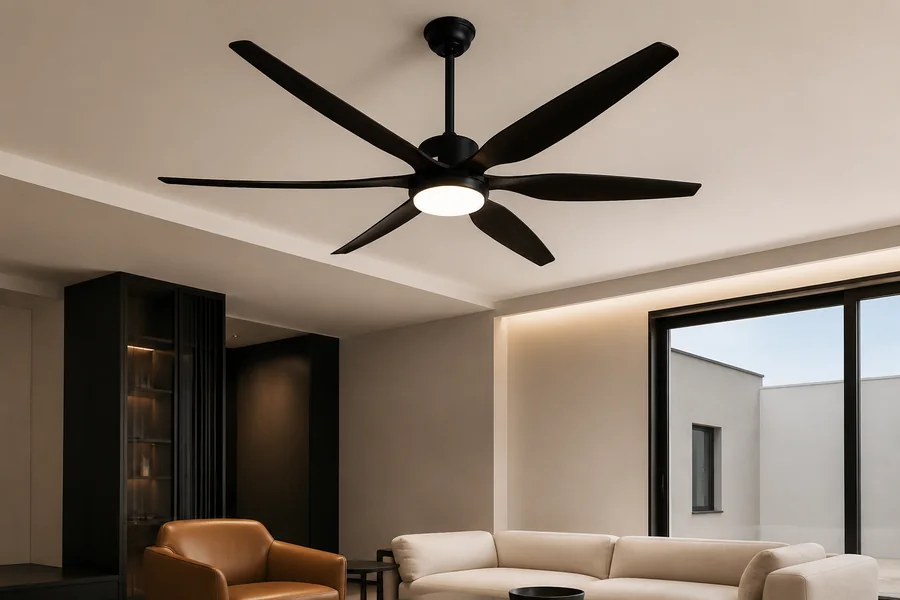
Choose a ceiling light if the room only needs illumination, has limited ceiling clearance, or requires strong specialised task lighting. Choose a ceiling fan light if the room needs both lighting and air circulation, especially where people stay for long periods.
For B2B buyers, the decision should also consider order quantity, certification direction, product consistency, and installation repeatability. NEBOLA can help compare ceiling fan light structures, LED options, DC motor configurations, and project solutions for different markets.
9-1. Choose a ceiling light for simple lighting needs
A ceiling light is better for compact corridors, storage rooms, small utility spaces, and rooms where airflow is already solved. It is usually easier to install and simpler to maintain.
It can also be better when the room needs a very specific lighting effect, such as strong task lighting, linear lighting, or multiple recessed downlights.
9-2. Choose a ceiling fan light for comfort rooms
A ceiling fan light is better for bedrooms, living rooms, guest rooms, restaurants, offices, and lounges where lighting and air movement are both useful. It gives the room a more complete comfort function.
A decorative option such as a Luxury Gold Wood Fandelier Ceiling Fan Light 60 Inch can suit interiors where the fixture also needs to act as a design feature.
9-3. Use the same logic for project buying
For commercial projects, do not choose one fixture type for every room. Use ceiling lights where lighting is the only need, and fan lights where air circulation and comfort will improve the user experience.
Before finalising a schedule, return to the commercial ceiling fans page to compare applications, room types, and product solution logic.
Need the Right Ceiling Fan for a Home, Project, or Commercial Space?
Tell us your space type, ceiling height, airflow needs, lighting options, certification direction, and order plan. We’ll help match the right solution.
Get a QuoteFAQ
Is a ceiling fan light better than a ceiling light?
Yes, a ceiling fan light can be better when the room needs both air circulation and lighting. If the room only needs illumination, a ceiling light may be simpler and more suitable.
Can a ceiling fan light replace a normal ceiling light?
Yes, it can replace a normal ceiling light in many bedrooms, living rooms, hotel rooms, and apartments if the LED brightness and colour temperature match the room’s lighting needs.
Does a ceiling fan light save ceiling space?
Yes, it can save ceiling space because it combines two functions in one fixture. This is useful in apartments, guest rooms, and commercial interiors where ceiling layout needs to stay clean.
Is a ceiling light easier to maintain?
Yes, a ceiling light is usually easier to maintain because it has fewer moving parts. A fan light needs extra attention to the motor, blades, controls, and LED system.
Should restaurants use ceiling fan lights?
Yes, restaurants can use ceiling fan lights when they need soft airflow and general lighting in the same zone. The product must be quiet, correctly sized, and placed so it does not disturb table comfort.
Can NEBOLA supply ceiling fan lights for commercial projects?
Yes, NEBOLA can support commercial fan light projects with size selection, DC motor options, LED lighting choices, control methods, OEM/ODM customisation, and low MOQ project planning.