

Ceiling fan blade material affects more than appearance. It influences weight, moisture resistance, airflow feel, noise, durability, cleaning, and the kind of room where the fan makes sense. If you are comparing ABS, wood, and metal options for a home or project, this ceiling fan blade materials guide page is the best place to start before narrowing the choice by style and installation environment.
A good ceiling fan blade should match the room, not just the catalogue photo. ABS can be practical in humid or modern spaces, wood can feel warmer and more decorative, and metal can suit industrial or high-durability settings. The best choice depends on how the fan will be used every day.
1. Why Ceiling Fan Blade Material Matters
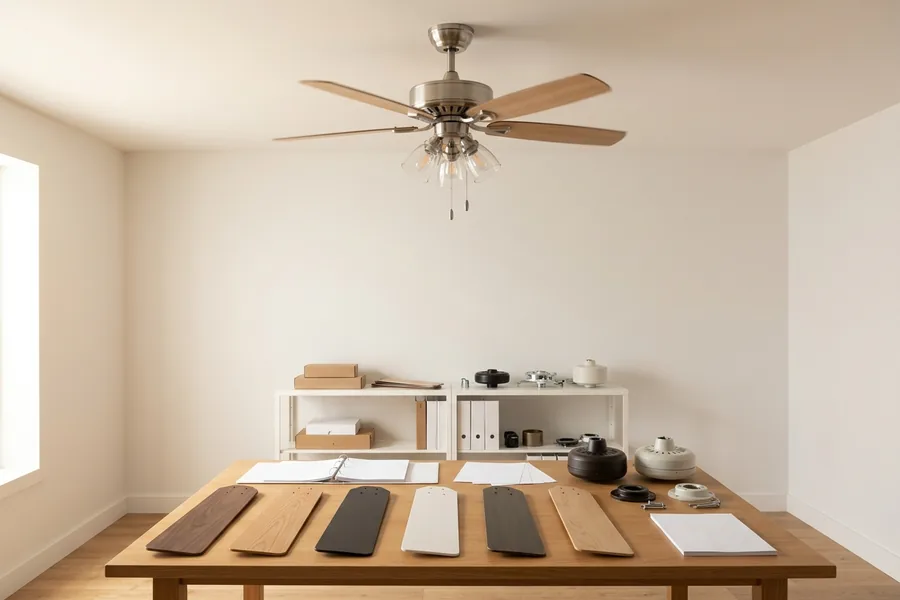
Ceiling fan blade material changes how the fan feels, sounds, ages, and looks in the room. Two fans with the same blade span can perform differently if one uses lightweight ABS, another uses solid wood, and another uses metal blades.
The article on how blade material affects ceiling fan performance explains this in more detail. Material is not the only factor, but it shapes how the fan responds to motor power, humidity, cleaning, and long-term use.
1-1. Material affects blade weight
Blade weight influences motor load and balance. A heavier blade can feel solid but may require stronger motor support. A lighter blade can be easier to control, especially in modern DC motor fans.
1-2. Material affects room suitability
Bedrooms, kitchens, covered patios, hotels, offices, and commercial interiors do not need the same blade material. A room with moisture needs different thinking from a dry living room or formal dining space.
1-3. Material affects long-term appearance
A blade material should stay attractive after months of cleaning and daily operation. Finishes, edge details, and resistance to warping or surface marks matter more than they appear in a product photo.
2. ABS Ceiling Fan Blades
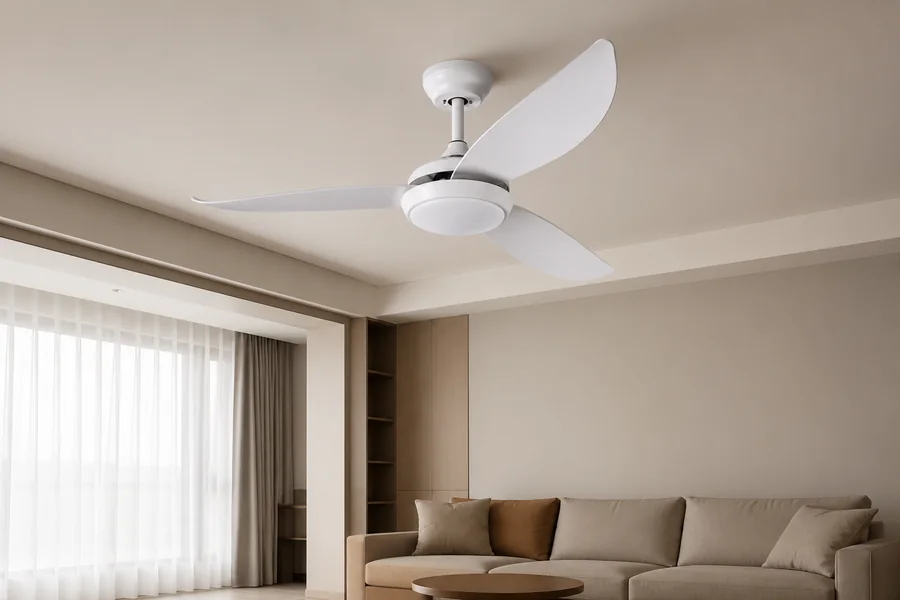
ABS ceiling fan blades are popular because they are lightweight, mouldable, and practical for many modern fan designs. They can support clean shapes, smooth edges, and finishes that suit apartments, bedrooms, offices, and some covered spaces.
If you are comparing ABS with natural wood, the article on ABS vs wooden ceiling fan blades gives a focused comparison. ABS is not automatically better, but it is often easier to control in production and daily maintenance.
2-1. Best uses for ABS blades
ABS blades suit modern interiors, humid climates, compact rooms, and fans that need a clean, lightweight profile. A design such as an Ultra Thin Ceiling Fan White Modern 52 Inch LED DC Motor shows why lightweight styling can be useful in clean residential rooms.
2-2. Advantages of ABS blades
ABS is generally easier to clean than porous natural materials. It can resist moisture better than some wood finishes and can be shaped into curved or aerodynamic blade profiles. This makes it useful for modern ceiling fan blade designs.
2-3. Limits of ABS blades
ABS can look less natural than real wood if the finish is not well made. Lower-quality plastic blades may feel cheap or show surface ageing over time. Buyers should judge the blade shape, finish, thickness, and motor pairing together.
3. Wood Ceiling Fan Blades
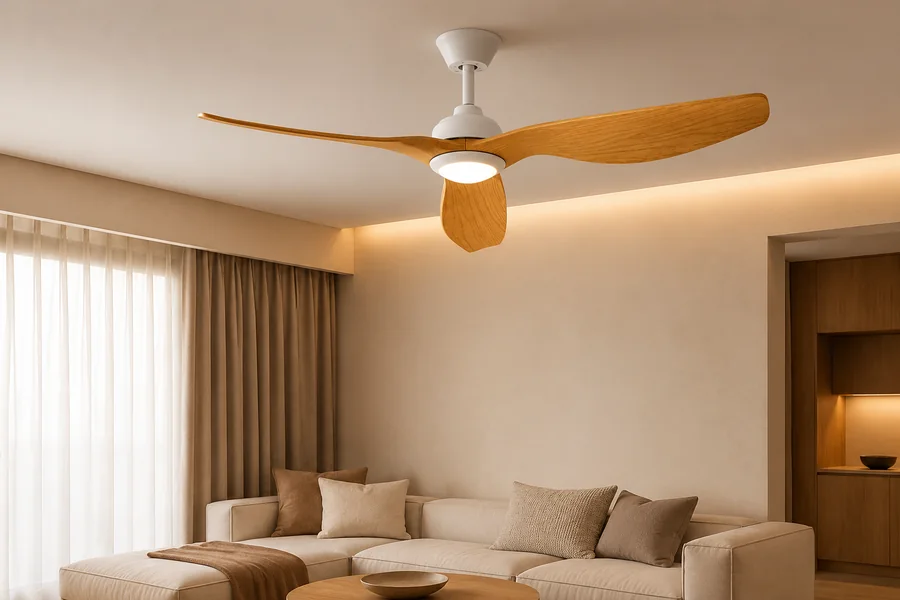
Wood ceiling fan blades are chosen for warmth, texture, and decorative value. They can make a fan feel more like furniture than equipment, especially in bedrooms, living rooms, hospitality spaces, and warm interior styles.
Wood is often preferred when the design needs a natural or premium look. But a wood blade fan must still be checked for balance, finish quality, and room conditions.
3-1. Best uses for wood blades
Wood blades work well in dry indoor spaces where style is important. A 52 Inch Wood Ceiling Fan No Light Supplier can suit rooms that already have separate lighting and want a clean natural fan profile.
3-2. Advantages of wood blades
Wood adds visual warmth and can soften the feeling of a room. It often suits bedrooms, lounges, boutique hotels, and dining rooms. When finished well, wood blades can look more refined than plain plastic.
3-3. Limits of wood blades
Wood can be more sensitive to humidity, finish damage, and warping if the material or coating is poor. It may also require more careful production control. For humid rooms or semi-outdoor areas, confirm suitability before choosing.
4. Metal Ceiling Fan Blades
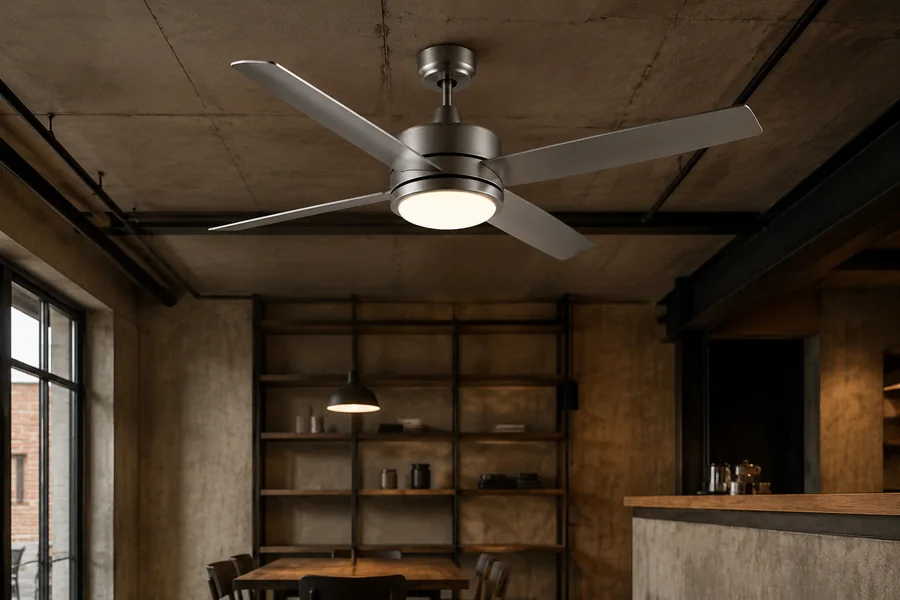
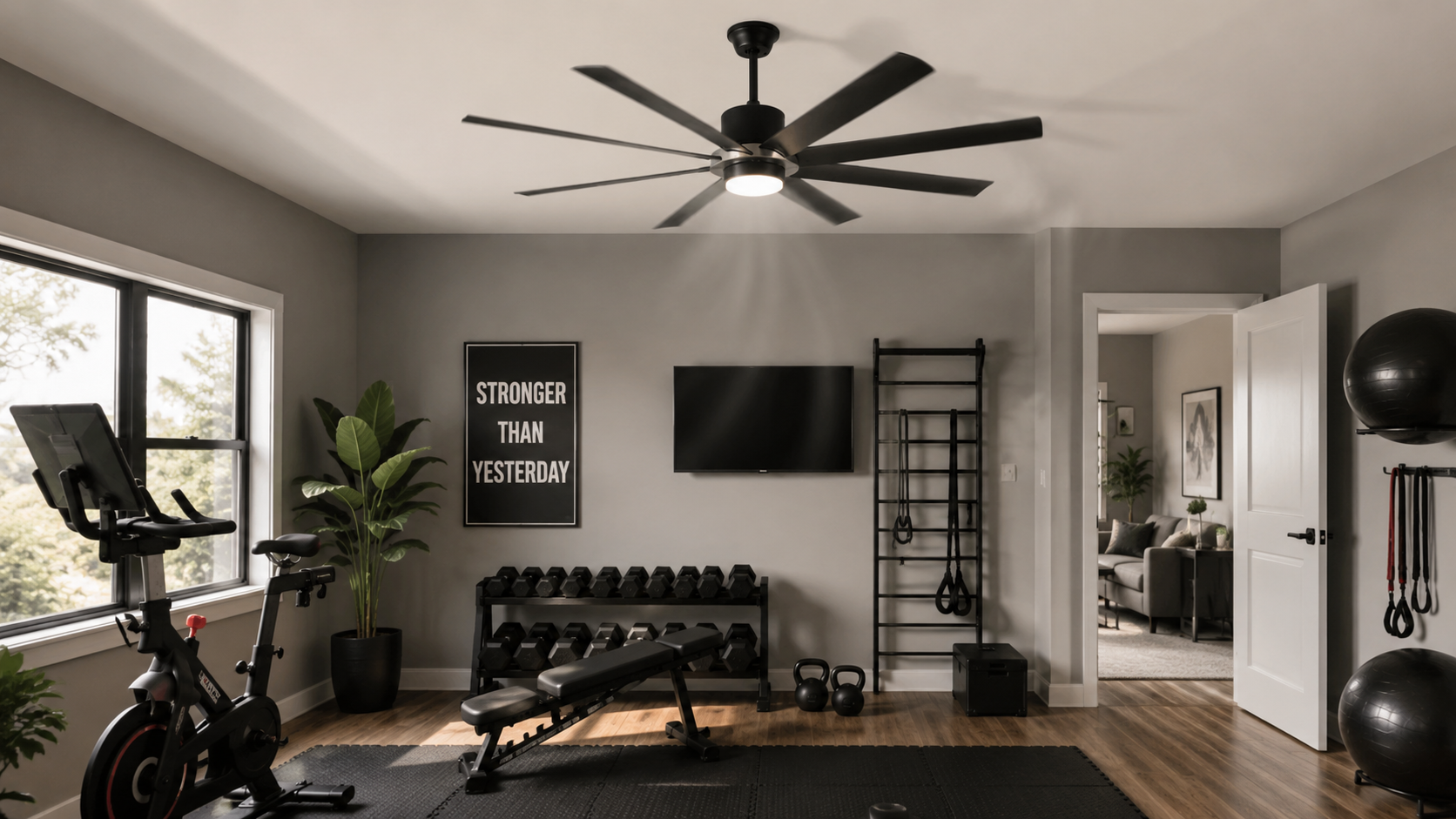
Metal ceiling fan blades are less common in residential fan lights but are useful in some industrial, commercial, and high-durability settings. They can feel strong and practical, but they are not the right answer for every room.
Metal blades need careful design because weight, edge safety, sound, and installation environment all matter. They often suit high ceilings, warehouses, workshops, and commercial spaces more than quiet bedrooms.
4-1. Best uses for metal blades
Metal blades can suit larger open spaces where durability and airflow are more important than soft residential styling. A Large Ceiling Fan Industrial Warehouse 70 Inch LED is a useful reference for large-space airflow thinking.
4-2. Advantages of metal blades
Metal can feel strong, stable, and suitable for demanding environments. It can also match industrial interiors where wood would look too soft and ABS would look too residential. The finish should resist corrosion and cleaning wear.
4-3. Limits of metal blades
Metal blades can be heavier and may produce a sharper visual style. They also need careful safety and noise control. For homes, hotels, and bedrooms, metal is usually chosen for a specific design reason rather than as a default option.
5. Blade Material and Airflow
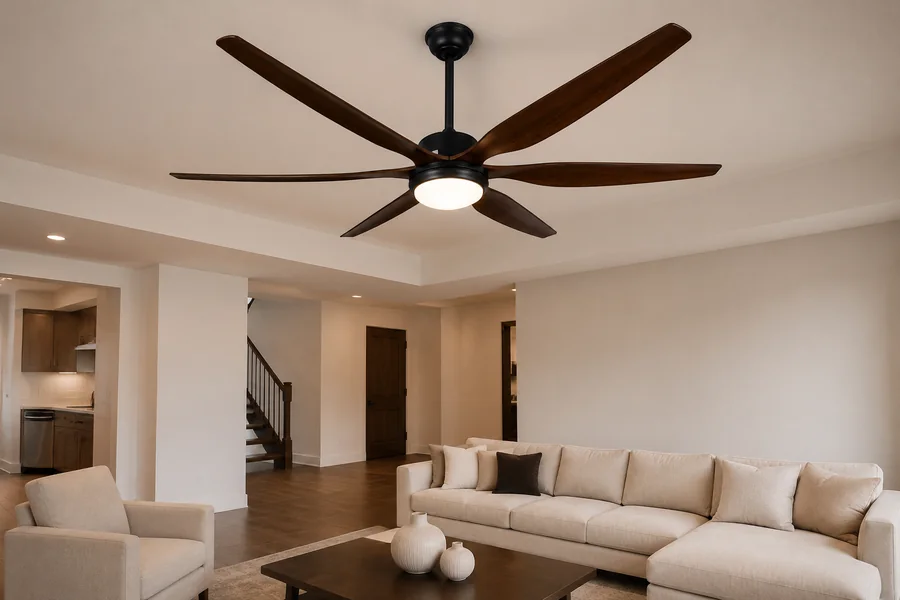
Airflow is not determined by material alone. Blade pitch, shape, span, motor strength, RPM, and installation height all work together. Material affects how the blade can be shaped and how stable it stays over time.
The comparison of 3 blade vs 5 blade ceiling fan is useful because blade count also changes airflow feel. Material, blade count, and motor design should be judged together.
5-1. Shape matters more than material alone
A well-shaped ABS blade can move air better than a poorly shaped wood blade. A good wood blade can feel smoother than a cheap plastic blade. The material is only one part of the performance story.
5-2. Weight affects motor response
Lighter blades can help the motor respond smoothly at different speeds. Heavier blades may feel stable but need proper motor support. A Big 66 Inch Wood Ceiling Fan Light DC Motor Remote OEM shows why larger blade spans should be paired with suitable motor planning.
5-3. Stability affects comfort
Good airflow should feel steady, not uneven or vibrating. Material consistency, blade balance, and installation quality all affect that feeling. This is especially important in bedrooms, offices, and hospitality rooms.
Need the Right Ceiling Fan for a Home, Project, or Commercial Space?
Tell us your space type, ceiling height, airflow needs, lighting options, certification direction, and order plan. We’ll help match the right solution.
Get a Quote6. Blade Material and Noise
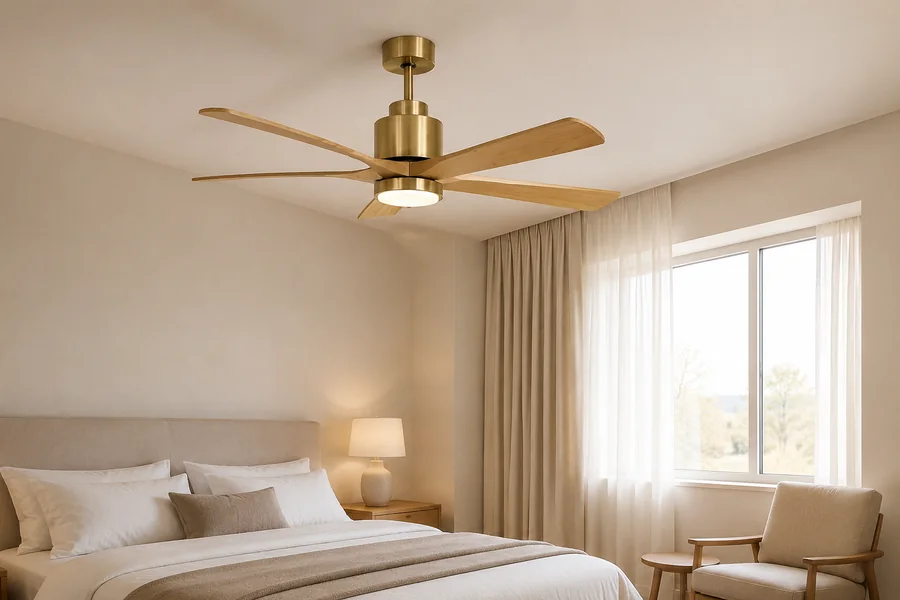
Noise is affected by motor quality, blade shape, balance, speed, and installation. Material can influence the sound character, but it does not work alone.
A fan with poor blade balance can sound bad regardless of whether the blade is ABS, wood, or metal. A well-made fan should feel smooth at the speeds people use most often.
6-1. ABS can support quiet modern profiles
ABS can be moulded into smooth aerodynamic shapes. This can help reduce uneven air noise when the design is well engineered. It is often a good match for quiet modern fan lights.
6-2. Wood can feel soft but must be balanced
Wood blades can create a warm visual impression, but balance control is important. Natural material variation can affect weight if production is not controlled carefully. Good manufacturing keeps the set consistent.
6-3. Metal needs careful speed control
Metal blades can feel more industrial and may not suit rooms where quiet comfort is the main priority. If metal is used, the motor, blade pitch, and speed levels should be selected carefully.
7. Blade Material and Room Environment
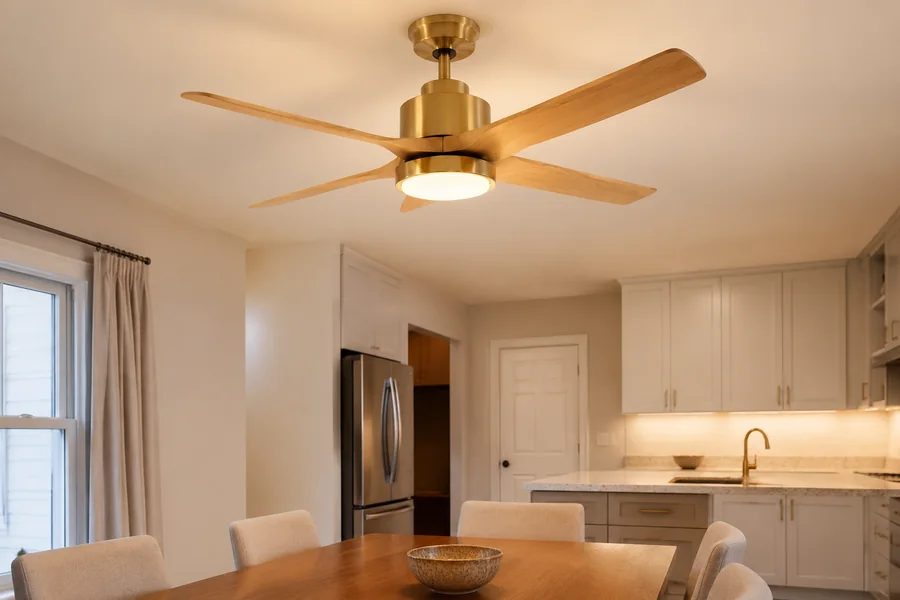
The room environment is one of the best ways to choose blade material. Humidity, cleaning frequency, ceiling height, decor style, and room use all affect the decision.
A ceiling fan blade should not only look right on day one. It should continue to make sense after daily use, seasonal changes, and regular cleaning.
7-1. Bedrooms and living rooms
Bedrooms and living rooms often suit ABS or wood blades depending on style. ABS is practical and clean, while wood adds warmth. A Luxury Gold Wood Fandelier Ceiling Fan Light 60 Inch can work when the room needs a more decorative material impression.
7-2. Kitchens and humid areas
Kitchens and humid spaces need easy cleaning and better moisture resistance. ABS is often practical here, but product rating and finish quality still matter. Wood should be used carefully unless the finish and room conditions are suitable.
7-3. Covered outdoor spaces
Covered outdoor spaces need material and rating checks. An Outdoor Ceiling Fans With Lights Oak White can be considered when the fan is suitable for the exposure level. Do not choose blade material for outdoor spaces by appearance alone.
8. How to Compare ABS, Wood, and Metal
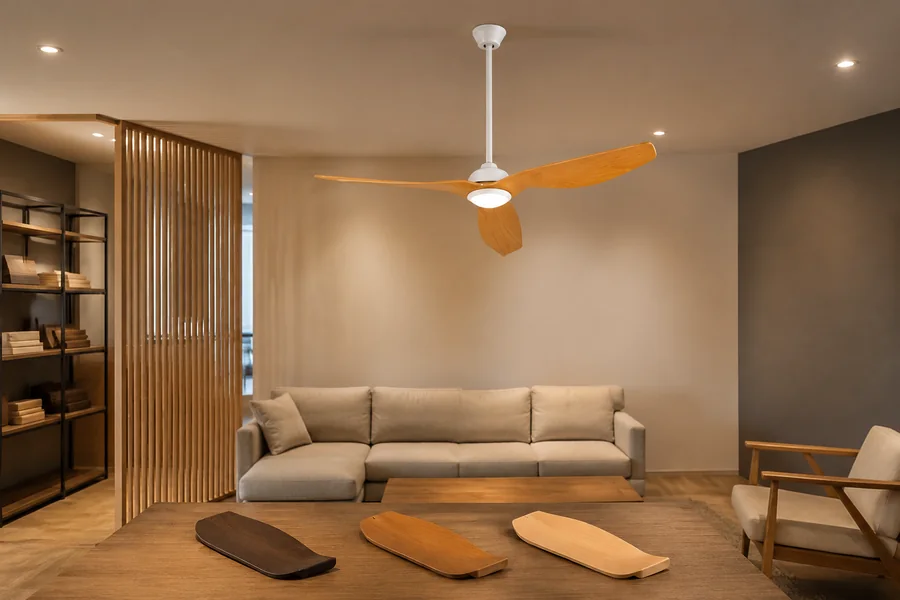
The best way to compare blade materials is to start with the room and then judge the material. If you start with appearance only, you may choose a blade that does not fit humidity, cleaning, motor load, or user comfort.
| Blade Material | Best For | Main Strength | Main Check |
|---|---|---|---|
| ABS | Modern homes, humid rooms, easy cleaning | Lightweight and practical | Finish quality and real product feel |
| Wood | Bedrooms, lounges, decorative interiors | Warm and natural look | Moisture resistance and balance |
| Metal | Industrial or large commercial spaces | Durability and strong style | Noise, weight, and safety |
8-1. Start with room condition
Ask whether the room is dry, humid, covered outdoor, commercial, or decorative. This immediately narrows the material choice. A beautiful blade is not useful if it does not suit the environment.
8-2. Compare finish quality
Finish quality often separates good products from weak ones. A well-finished ABS blade can look clean and durable. A well-finished wood blade can look premium. A poor finish on any material can age badly.
8-3. Match material with motor and size
Larger blade spans and heavier materials need stronger motor planning. The blade material should not be chosen separately from diameter, motor type, and installation height.
9. Final Blade Material Selection Checklist
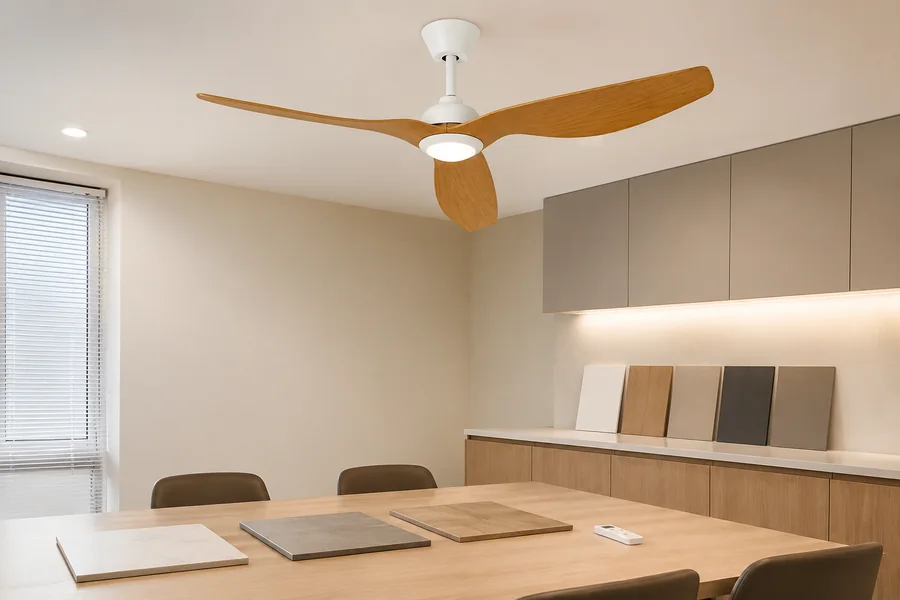
Before choosing a ceiling fan blade material, check the room type, humidity, cleaning needs, desired style, blade span, motor type, noise expectations, and long-term maintenance plan. ABS is practical and modern. Wood is warm and decorative. Metal is stronger and more industrial.
For a broader comparison, return to the ceiling fan blade materials page before choosing a final product range. NEBOLA can also help compare ABS, wood-look, solid wood, and metal-style blade options for different residential and project needs.
9-1. Choose ABS when practicality matters most
ABS is often the safer choice for modern, easy-clean, humid, or compact spaces. It gives manufacturers more flexibility in blade shape and finish. It is also useful when weight control matters.
9-2. Choose wood when visual warmth matters most
Wood is a strong choice when the room needs a warmer, more natural look. It works especially well in bedrooms, lounges, hotels, and decorative interiors. The key is to confirm finish stability and balance.
9-3. Choose metal for specific commercial needs
Metal blades are best used when durability, industrial style, or large-space performance matters. They should be selected carefully for noise, safety, corrosion resistance, and installation environment.
Need the Right Ceiling Fan for a Home, Project, or Commercial Space?
Tell us your space type, ceiling height, airflow needs, lighting options, certification direction, and order plan. We’ll help match the right solution.
Get a QuoteFAQ
Are ABS ceiling fan blades better than wood?
No, ABS is not always better than wood. ABS is often more practical for moisture resistance and easy cleaning, while wood offers a warmer and more natural look. The better choice depends on the room and usage.
Are wood ceiling fan blades good for bedrooms?
Yes, wood ceiling fan blades can be good for bedrooms because they add warmth and a softer decorative feel. Buyers should still check balance, finish quality, and whether the room is dry enough for wood.
Are metal ceiling fan blades suitable for homes?
No, metal blades are not usually the default choice for homes. They can work in industrial-style interiors, garages, or large spaces, but ABS or wood is often more comfortable for bedrooms and living rooms.
Does blade material change airflow?
Yes, blade material can influence airflow indirectly through blade weight, shape, stiffness, and balance. However, motor power, blade pitch, blade span, and installation height are also very important.
Is ABS good for humid rooms?
Yes, ABS is often a practical choice for humid rooms because it can resist moisture better than some wood materials. The final product should still be checked for rating, finish quality, and suitable installation conditions.
Can NEBOLA provide different ceiling fan blade materials?
Yes, NEBOLA can support different blade material directions, including ABS, wood-look, solid wood, and metal-style options depending on the model and project need. The best choice should match the room environment, design target, and performance expectation.